Reflecting on the Americans with Disabilities Act 31 Years Later

This week marks 31st anniversary of the Americans with Disabilities Act (ADA) of 1990. It was signed into law by President George H.W. Bush on July 26, 1990.

This anniversary gives us a moment to think about how this law for people with disabilities has impacted our lives. Reflecting on how this piece of legislation has impacted the lives of people with disabilities helps us understand where we have been. It also helps us gain a better perspective of where we need to be.

Being a person with a disability in the 1980s, when people with disabilities didn’t have the rights we have today was very interesting. I was also a person who used a wheelchair to compensate for my lack of mobility.  As a kid, the idea of going to school was both exhausting and exciting. I liked being with kids my age but had to struggle just to get in the building or use the bathroom. The idea of my school being accessible for me seemed like a dream I wasn’t sure would ever come true.

By the time I got home, I was exhausted from the trip. Then I had to make sure to get my homework done for the next day. Being mainstreamed at 7 years old left me with another job. I had to explain to the kids in my class why I had to use a wheelchair to get around.

When I went to high school, I remember having to advocate for my English class be relocated to one if the lower floors for my junior year. At that time, the school’s elevator didn’t reach the top floor where the classroom was located. That was after the ADA had been signed into law, but before buildings were fully brought into compliance. It was a major victory for me as a student because it meant that I could be in an integrated setting with other kids who were just as smart as me. If that didn’t happen, I probably wouldn’t have been able to receive the education that matched my intellectual abilities because of my physical limitations.

These may seem like simple things people with disabilities don’t have to endure now but, they help us appreciate the changes that have been made to improve the lives of people with disabilities. That’s not to say other advances do not need to be made to continue the necessary progress. There are still many areas where things need to be more accessible for people with disabilities. Only then will the Americans with Disabilities Act be fully utilized to ensure access to services for all people with disabilities.

While there is still much work to done, it’s safe to say that the advocates who came before us left a good framework on how to engage in effective advocacy that sparks real change. Their work has also allowed us as a community to recognize where further change is needed. Now it is our chance to continue where they left off. Our efforts can be the catalyst to help us finally gain the ability to be fully integrated into mainstream society.

A Review of “The Fault in Our Stars”

It’s not too often I watch a movie that talks about disability in any way.  It’s not because I am unwilling to be open about disability being portrayed in a movie, but because I find most times the representation of people with disabilities in a film or other artistic endeavor is negatively skewed. Some movie roles have shown an inaccurate depiction of what it’s like to have a disability. People with disabilities have been shown as weak, or like they can’t take care of themselves. It always makes me think of characters like Quasimodo and how hard the disability community has had to fight to overcome such antiquated stereotypes.

Since starting the blog, one of my goals has been to increase disability awareness in different areas. One of those areas is disability representation in the media. Continued debate exists about allowing actors with disabilities to fill roles that portray someone with a disability. The other issue is the way people with disabilities are depicted in the media. Because of various reasons, we are depicted mostly in a negative light. It makes me wonder if the way Hollywood shows a person with a disability contributes to overall misconceptions society has surrounding people with disabilities.

The movie I was lucky enough to watch is “The Fault in Our Stars.” There is also a book by the same name. Honestly, I was apprehensive about seeing the movie. I had heard different things about it that made it seem like it was just another movie that shined a negative light on people with disabilities. Despite what I had heard, I decided to give it a chance. I am so glad I did. Although the movie was sad, it gave what I felt was a realistic depiction of living with a disability.

The movie is about two teenagers who meet in a support group and fall in love. They both have different forms of terminal cancer. I was impressed with how the parents of the characters allowed their children to live independently despite their limitations. This can be a scary concept for the parent of a child with a disability. It can also be a very helpful tool for both the parent and the child. The child gets to gain life experiences and the parent can witness their child gaining independence and navigating their lives with resources available to them. When one of the characters got the opportunity to meet her favorite author, the movie was honest and showed the obstacles she faced getting around the city she was visiting. Additionally they didn’t shy away from showing how she overcame the barriers that existed to make it to their meeting place.

I don’t think living with a disability is about sugarcoating things. I really enjoyed how this movie did anything but that. It showed how people with disabilities aspire to do things in life. It also showed how they can realistically accomplish their goals. I was impressed that the movie writers were brave enough to show that people with disabilities could fall in love. This is an aspect of living with a disability that some people are afraid to talk about but happens all the time.

There have been other books and movies that show people with disabilities as people who should be hidden away from mainstream society. Others send the message that they should be protected so much they don’t have the opportunity to enjoy life. That is not what living with a disability is all about. Each person has a different experience with their disability. However, we all deserve to reach the goals we choose to set for ourselves. I felt like this movie made people with disabilities look like real people. Maybe this movie can help make the topic of disability less scary for others who don’t have experience interacting with someone who has a disability.

I would definitely recommend this movie for anyone who likes a comedy, drama and bit of a sad story. I look forward to finding more stories that include disability in such a realistic way.

It gave me renewed hope that maybe in the future people with disabilities and the roles written around these characters aren’t ones of pity and dismay. As a result, society can gain a more realistic foundation of what life is like for people with disabilities.

Coronavirus Vaccination Chronicles: Part One

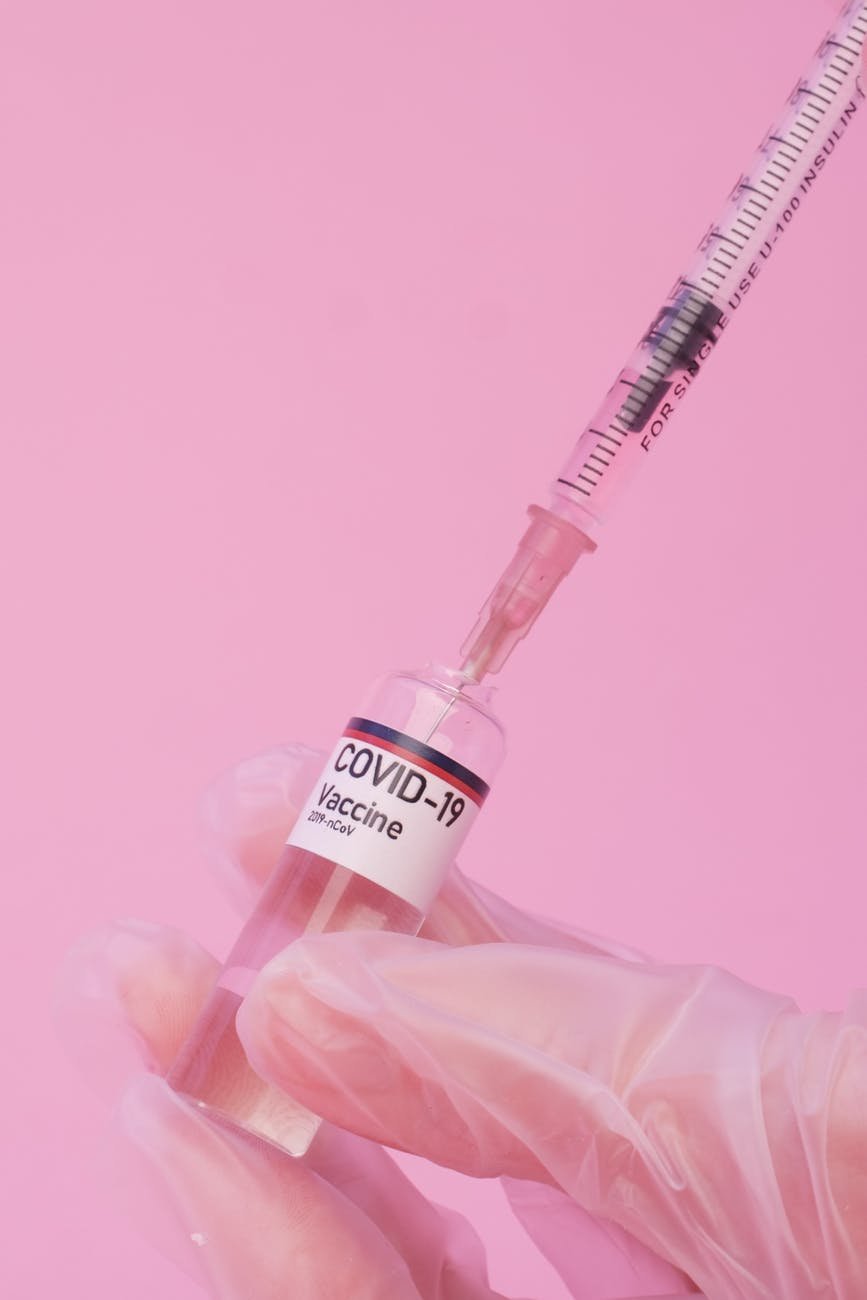
The coronavirus pandemic has forced us to spend the last year at home. Because vaccines are now available and being administered, it’s time to restart interacting with others more regularly.

I wanted to write this post to share my experience of getting the vaccine.  I also wanted others who haven’t been vaccinated yet to get a better idea of what to expect about the process. This is a three-part series detailing my experience being vaccinated with the Moderna vaccine.

Since the vaccines being used to fight the devastation the virus is causing in different countries was approved so quickly, I was a bit apprehensive about getting the vaccine.

Most vaccines go through rigorous testing before they are considered safe and effective for people who choose to get vaccinated. I felt like this was the best choice for me so that life could start to return to some sort of normalcy.

Although I am getting vaccinated, I can do my part by continuing to wear a mask and practice social distancing when I have to leave my house. There are still people who haven’t been vaccinated for various reasons and others they may come into contact with that could inadvertently be affected by my actions.

I thought that getting the vaccine would be as easy as making an appointment with my doctor. After doing some research and calling my doctor, I found out he didn’t have any doses of the vaccine available. It turns out they weren’t sure if or when they would be administering doses to patients. They directed me to the CDC website so that I could get the required medical necessity documentation. The documents were sent to me electronically, so I didn’t have to go to their office.  When I looked into the other options available to me, I found out that the local health department was administering doses. Some stores such as Walmart, Sam’s Club and Publix were also options for people interested in getting the shot. Since I know that Publix has given out flu vaccines in the past, I was comfortable in choosing them as my preferred option to get my vaccine.

I had to get up early to complete my online reservation. Once I was on the website, and because I was not an educator or part of the age requirement at that time, I had to wait a while to input my information.  Once my appointment was reserved, I got a confirmation email with both my initial appointment as well as for my second vaccination.

I must admit that I was a little nervous the night before the appointment. It was honestly because I did not know what to expect. I’ve been vaccinated before with no problem, so I think it was fear of the unknown. Regardless of the anxiety I was feeling, I was determined not to let it stop me from this first step back toward the active life I had pre-pandemic.

We arrived at the grocery store and they had a designated person checking people in for their vaccine. When I got back to the pharmacy, I let the pharmacist know that the shot needed to be given to me in my right arm due to my disability. He had to correct my card and move the chair but was quick to adjust to my request. The vaccination process was quick, and I was on my way as fast as I had gotten to the store. This experience makes me a bit more at ease when it’s time for my next dose.

Now it’s your turn. Do the research necessary to make the best choice for you and your family. Don’t be afraid to talk to your doctor to figure out the best option for you. I will be back with more of my post vaccination experience.

“Crip Camp: A Disability Revolution” on Netflix Gives a Glimpse into Disability History

During the recent coronavirus quarantine, I found out Netflix had a documentary called “Crip Camp: A Disability Revolution” available to subscribers of the streaming service.

The documentary piqued my interest. I had to find out what it was all about. Upon further investigation, I found out this documentary had won the Audience Award for U.S. Documentary at the 2020 Sundance Film Festival.

Camp Jened, a camp in the Catskills for disabled campers during the 1970’s, is where everything begins. We are introduced to Judy Heumann, who not only leads campers, but organizes them to bring the disability movement to life. Ms. Heumann is a well-respected advocate for people with disabilities even today.

The documentary brought me back to a great childhood memory. It was one summer when I was about 4 years old.  A bunch of friends from school and our parents went to a sleep away camp. This was special because we were a group of kids that used wheelchairs. We had never had this kind of experience before. This was before the passage of the Americans with Disabilities Act of 1990, and as I think about it now, I am amazed that the organizers of the outing were able to find somewhere that could accommodate people in wheelchairs. We had the best time together, playing video games and just being kids. We had our wheelchairs to help us get around and didn’t even give it a second thought.

The documentary talks about struggles the disability community has endured and how the group of campers who kept in touch after camp, were able to make change in their community. They organized peaceful protests to get their message across to lawmakers. The changes they were able to make not only helped them as individuals, but future generations too. The changes implemented because of their efforts opened many doors for disability inclusion in society. It also talks about the passage of the Americans with Disabilities Act of 1990. The most interesting part of that segment was learning about the resistance that resulted after the law passed when implementing the changes that were required.

After watching it, I realized it was a good crash course in disability history. For someone who does not know very much about disability history, it gives various snapshots of what it is like to live with a disability in American society. One of the main messages laced throughout the documentary is that people with disabilities are just like anyone else who live with out a disability. That is something that is important for people to understand, even in today’s social climate.

I have said many times before that there is still work to be done toward disability inclusion. This documentary adds a human aspect to people with disabilities that isn’t seen very often.

“Crip Camp: A Disability Revolution” is a step in the right direction for more exposure of disability issues in the media. It also gives people the opportunity to see that people with disabilities lead full lives and are agents of change who can make a positive impact within their communities.

If you have Netflix, it’s a documentary you should definitely check out. I highly recommend it for anyone who is curious or interested in disability history. You don’t want to miss it.

Student Disability Services and their Expanding Possibilities

It’s back to school time once again.  For most students, this means shopping lists of new clothes, shoes and books, just to name a few things.  If you’re a college student with a disability, it’s also time to get the required paperwork in to the Students with Disabilities Office at your college or University so that you can get the accommodations you might need to complete your coursework in each class.   The Office of Students with Disabilities Services that’s available at Colleges and Universities does a good job helping those students navigate the academic part of being a student.  There are however gaps in the services provided that can and should be filled.  This article will outline some ideas that might make the experience students gain from utilizing the services provided a fuller one in what it is to be a college student.

Although historically this office was started by students with disabilities, the human touch of this idea is almost nonexistent.  Colleges and Universities should allow this to also be a place where students can gather and talk with other disabled students about experiences like dating and socializing in a college atmosphere that’s specific to them. Even if the specific office isn’t used as an area for this type of dialogue to occur, something like having a mentor, in the form of an older student to share advice from a disability standpoint would be beneficial to all students involved.  This idea would also help the student develop socially if, for example, it is their first time away from home.  Most of the time college is a young adult’s first experience in the “real world”.  It could even be a comforting thought to have a “buddy” waiting for them on their new adventure.  This idea doesn’t have to be mandatory but, at least be offered to new or transfer students so they get the opportunity to participate in such a program.

Workshops packed with valuable real-life information could also be offered.  As a result students could increase their base of information and be more informed about the world around them outside of academics. Guest speakers or webinars should be offered to students so they get the full experience of what it means to be a young adult.  A survey could be conducted to find out what topics students might be interested in getting more information about.  A range of topics could be offered in a relaxed environment, and would also be another opportunity for students to socialize with each other.  Additionally, it could be an opportunity to make connections out in the community that might benefit students in the future.

Finally, transitional information for things like housing and employment options for people with disabilities could be available.  This would be particularly helpful so those students who are going to live alone for the first time after college won’t be so apprehensive about the experience.  The services various offices of students with disability services make available on all campuses are invaluable to each student they help.  They provide services and supports to those students that utilize the office and help engage students on different levels as well as in different areas.  These are simply some suggestions which could only enhance the experience of being a college student with a disability.

Potty Training Made Easier

Potty Training your toddler can be a daunting task for any parent, much less one who has a disability.  When I started training my son during the day, I’d lead him to the bathroom every twenty to thirty minutes so there wouldn’t be the inevitable accident most parents dread.  This went on until he got into a routine and no longer needed supervision.  I was so proud that not only did he gain a bit more independence from me but, that was less time I had to worry about changing diapers. Step one was complete.  The next phase was night time training. This was something I wasn’t looking forward to in the least.  I’d been told stories about how I’d be changing sheets at 3 o’clock in the morning and having extra loads of laundry to look forward to.  Needless to say this  wasn’t appealing to me at all.  At the same time, I knew I’d have to take the bull by the horns sooner or later and pretty much conquer the unknown.

We started the journey of night time training by implementing the idea of using the bathroom before nap time.  My idea was not to inundate him with the full transition all at once.  I also took an extra step and bought a plastic mattress cover that I placed underneath the sheets.  Then, we made a trip to the store and I bought extra underwear along with a few extra sets of pajamas.  Surely, I thought to myself,  this was going to equal so many more loads of laundry than is normally the case.  While going through the aisles, I stumbled upon Goodnites Disposable Bed Mats.  I decided to give them a try and put them on top of my son’s sheets to see what would happen.  I figured at the very least, they might save me from doing some extra laundry.  I was pleasantly surprised to find the few times I needed to change them (yes, and it was at 3 in the morning), they were absorbent and did not even wet  down to the sheets in the slightest.  It’s not generally been my habit in the past to use my posts to review products, or endorse one thing or another either way, however, I feel I’d be doing readers a disservice if I didn’t attempt to give tips to parents who are both disabled and not disabled on ideas that might help getting through these milestones a bit easier.

Because of the limited use of my hand, I found changing the pad, instead of changing his sheets to be fast and easy.  One pointer I can think of is to be careful when you are initially putting a pad on the sheets.  The adhesive side of the pads are super sticky so be prepared to immediately put it down on the mattress.  If not, it’s possible that it will stick together.  This could be an unnecessary headache, especially at 3 in the morning.  The only extra suggestion I have as far as using this product would be to buy a few packs at a time, at least in the beginning.  In the end, this product has made the experience an even easier task to tackle then I originally thought it would be.  It’s also made the transition for my son to be fully toilet trained faster than expected.  As a result, he has become even more independent than before, and wakes up dry every morning.  This makes both of us proud that we’ve conquered yet another goal together with shining success.

Thanks for reading..

cr

Caitlyn Jenner’s Speech has Potential to Reach Many

This past week, Caitlyn Jenner accepted The Arthur Ashe Courage Award at the 2015 ESPYs. Since the announcement that Bruce Jenner, an Olympic Medalist and past spokesperson, was transitioning to become Caitlyn Jenner people have voiced mixed reactions on every form of Social Media. I didn’t get to see the speech on television when it aired, but caught it the next day on YouTube.

At first, I, like a lot of other people, felt like Noah Galloway should receive the award. Now, I feel like I understand why Caitlyn Jenner got it instead of Noah. In my opinion, the simple fact that Caitlyn Jenner gave such an eloquent speech with such a powerful message, not only about and for the transgender community but, also, if we step back for a moment, a message that could be applied to the disabled community as well, is a sign of courage all by itself.  The main theme of her speech was about acceptance, no matter our differences. If we really take a moment to think about it, acceptance as a whole is what everyone ultimately wants.

In Caitlyn’s speech, she talks about the transgender youth that are bullied and even commit suicide because they’re just trying to live the way they’re most comfortable in their skin. I have to admit, I remember seeing Bruce Jenner on cereal boxes as a kid and yet no one knew the suffering he was dealing with in private. I can also think about how many kids in school may get bullied and made fun of just because of their disability. I read an article saying that if Caitlyn Jenner helped one transgender youth with her speech, that made her a hero. What if her speech also helped someone with a disability, because somewhere along the line that person felt different, and as a result not adequate?  I’m not sure that’s the case but with the wide reach of the internet, anything is possible.

Whatever opinion you have about Caitlyn Jenner and what she chooses to do with her life is your own, and really not what I’m trying to focus on here. The fact that someone is attempting to use their lives to knock down barriers so that we become more compassionate to one another is what stuck out to me. Although she isn’t the first, or only celebrity to do this, I have to applaud her for being vocal on a subject that so few people mention, even in a whisper. I hope more celebrities speak out and use their names to help gain acceptance for all groups that have been coined as “different” in today’s world.

Only through acceptance of one another, no matter our differences, can we all be afforded the opportunity to experience life to the fullest. Such opportunities have the potential to open doors for things like gaining employment, having more relaxed conversations with people about dating and disability, addressing our healthcare concerns, and even being parents with a disability if that’s what we choose to pursue. The potential for open dialogue on these and many other issues has just increased tenfold because of one person’s speech about acceptance in our society.

Thanks for reading..
cr

Law Enforcement’s New Disability Consideration..

Sometimes I use my posts to shed light on subjects that may not be considered relevant to disability as an issue but, could use some exposure in some way. This week, I wanted to shed some light on law enforcement and their treatment of people with disabilities. I know there’s a large push to increase disability sensitivity among law enforcement but this post is going to talk about something that’s reaching into a totally new dimension.

The issue I’m thinking about is totally different. It involves the split-second decisions a law enforcement officer had to make at a group home in Georgia that injured one of its residents. This is clearly a case of entering uncharted waters as it relates to law enforcement and their interactions with people who have a disability. I’m not sure if, or how law enforcement can act less aggressively when their primary job is to ensure the safety of the general public. In emergency situations faced by law enforcement on a regular basis and, as in this situation, I’m not sure how the ADA fits in.

Somehow, some people feel if there’s a suspect in a crime who has a disability, and that person’s disability isn’t considered in crisis or emergency situations, that’s a violation of the Americans with Disabilities Act (ADA). The Americans with Disabilities Act (ADA) is an attempt to “level the playing field” for those with disabilities on a daily basis. Once the situation has been deescalated, steps should be taken in accordance with the ADA to ensure things like effective communication, if the person has a hearing impairment, and access to the courthouse, if the person a mobility impairment, for example, are observed. These are just a few ways of how the ADA was meant to be utilized as it’s currently written. Quite honestly, I’m not sure if law enforcement has time to consider the ADA when you’re talking about life and death.

I’ll be interested to see what the Supreme Court decides. Maybe, instead of using part of the ADA to regulate this sort of situation, a new law should be drawn up in an effort to have a clearer framework available. I’m not saying the situation should be ignored, because it does need attention. It might just be that another avenue needs to be explored to have more effective action plan put in place.

Thanks for reading..

cr
For more information on this story check out the link below:
http://lubbockonline.com/filed-online/2015-03-21/supreme-court-considers-impact-disability-law-police-mentally-ill#.VQ4SleFGSSo

“Margarita, with a Straw” Thoughts

In the course of writing this blog, I’ve spent time exploring how the media portrays people with disabilities. The film “Margarita, with a Straw” goes one step further and talks about a person with a disability and their experience with relationships too. Unfortunately, there are many people who think people with disabilities are unable to have intimate relationships because of their limitations. Making that assumption without talking to the person about the subject will only lead to inaccurate information. As I may or may not have said before, the way a person’s disability affects them ranges. While I’m not a medical professional, I can say that reading about Cerebral Palsy or any other disability on a website like WebMD, or picking up a book on the subject may not give you the most accurate information on a particular person’s daily life.

Like with most other things, communication is really the key to quenching the curiosity that might exist. It’s not a bad thing to ask questions about things we don’t know. An even worse outcome would be to miss out on a great and adventurous experience with someone you care about just because there’s no dialogue about a particular issue. Also, not knowing the right information about that person may lead to unnecessarily hurting their feelings.

While I haven’t seen “Margarita with a Straw” I’m glad someone took the chance to make a movie on a subject some may consider taboo. Hopefully, this movie will catch the eye of an American filmmaker and they have the idea to bring it to American audiences. It’s a great way to raise awareness on the fact that disabled people have the same wants and needs as everyone else. It’s also a great way to open dialogue on a side of a disabled person’s life that’s rarely talked about but, is worthy of some attention.

Thanks for reading..

cr

For more information on the movie, check out the link below:

http://variety.com/2015/film/reviews/film-review-margarita-with-a-straw-1201406266/

Caught in the Crossfire

This week, I thought I’d spend some time talking about something that might happen when people become disabled because of violent crime. Unfortunately, the topic of Disabled Victims of Crime seems to be a subject that isn’t talked about too much, or is simply ignored all together.

Having a Criminal Justice background and having been blessed to have spent some years actually working in the Criminal Justice System, it’s sad that not enough attention is given to what happens to innocent bystanders sometimes involved.  I’m talking about the ones who ultimately suffer the consequences of someone else’s actions.  Does anyone give a second thought to the impact the incident may have on them long after criminal proceedings come to a close?  This brings me to the case of Danielle Sampson.

She was hit by a bullet that wasn’t intended for her and now lives with a Traumatic Brain Injury (TBI). I’m glad her family won a civil law suit against the convicted shooter. The money they receive should help with her required around-the-clock care. At the same time, because the shooter received a 30 year sentence in Florida’s Department of Corrections, it leaves me wondering, how much of the money will her family actually get to help with her daily needs?

Increased attention is good in these type of cases because it leads to the potential of more awareness. Although the best case scenario would obviously be violent crime not occur in the first place. This is just one example that because of violent crime, many lives have been impacted forever.

For more information check out the link below:

http://www.wftv.com/news/news/local/man-convicted-shooting-12-year-old-asks-new-trial/ngKCJ/

Thanks for reading..
cr