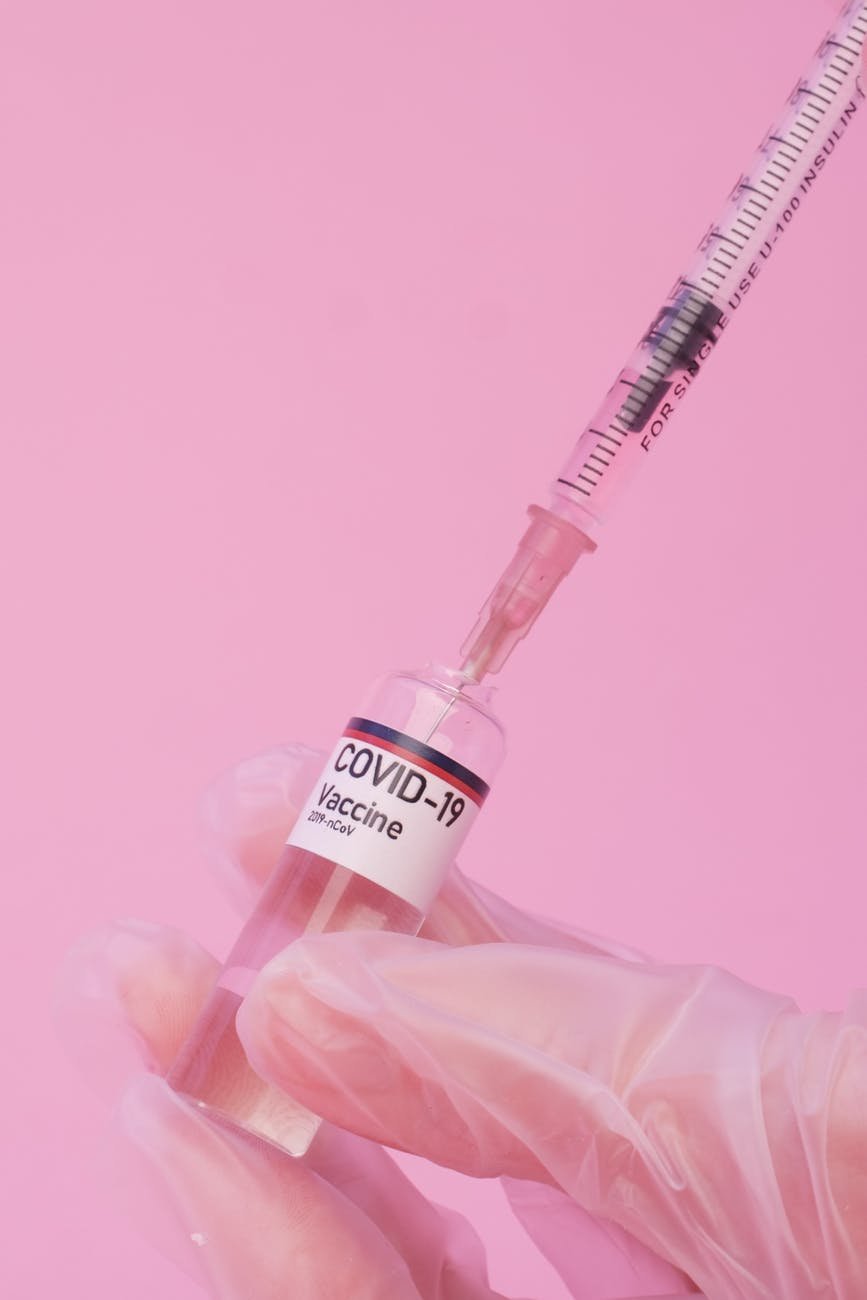
Coronavirus Vaccination Chronicles: Part One

The coronavirus pandemic has forced us to spend the last year at home. Because vaccines are now available and being administered, it’s time to restart interacting with others more regularly.

I wanted to write this post to share my experience of getting the vaccine.  I also wanted others who haven’t been vaccinated yet to get a better idea of what to expect about the process. This is a three-part series detailing my experience being vaccinated with the Moderna vaccine.

Since the vaccines being used to fight the devastation the virus is causing in different countries was approved so quickly, I was a bit apprehensive about getting the vaccine.

Most vaccines go through rigorous testing before they are considered safe and effective for people who choose to get vaccinated. I felt like this was the best choice for me so that life could start to return to some sort of normalcy.

Although I am getting vaccinated, I can do my part by continuing to wear a mask and practice social distancing when I have to leave my house. There are still people who haven’t been vaccinated for various reasons and others they may come into contact with that could inadvertently be affected by my actions.

I thought that getting the vaccine would be as easy as making an appointment with my doctor. After doing some research and calling my doctor, I found out he didn’t have any doses of the vaccine available. It turns out they weren’t sure if or when they would be administering doses to patients. They directed me to the CDC website so that I could get the required medical necessity documentation. The documents were sent to me electronically, so I didn’t have to go to their office.  When I looked into the other options available to me, I found out that the local health department was administering doses. Some stores such as Walmart, Sam’s Club and Publix were also options for people interested in getting the shot. Since I know that Publix has given out flu vaccines in the past, I was comfortable in choosing them as my preferred option to get my vaccine.

I had to get up early to complete my online reservation. Once I was on the website, and because I was not an educator or part of the age requirement at that time, I had to wait a while to input my information.  Once my appointment was reserved, I got a confirmation email with both my initial appointment as well as for my second vaccination.

I must admit that I was a little nervous the night before the appointment. It was honestly because I did not know what to expect. I’ve been vaccinated before with no problem, so I think it was fear of the unknown. Regardless of the anxiety I was feeling, I was determined not to let it stop me from this first step back toward the active life I had pre-pandemic.

We arrived at the grocery store and they had a designated person checking people in for their vaccine. When I got back to the pharmacy, I let the pharmacist know that the shot needed to be given to me in my right arm due to my disability. He had to correct my card and move the chair but was quick to adjust to my request. The vaccination process was quick, and I was on my way as fast as I had gotten to the store. This experience makes me a bit more at ease when it’s time for my next dose.

Now it’s your turn. Do the research necessary to make the best choice for you and your family. Don’t be afraid to talk to your doctor to figure out the best option for you. I will be back with more of my post vaccination experience.

Students with Disabilities and Gaps in their Education During the Pandemic

During the coronavirus pandemic, the way education is delivered to students in the United States has drastically changed. Students with disabilities are more affected than most by this change.

Students with disabilities are caught in a situation they didn’t choose. How they get their education has been altered so drastically, portions of their daily routine have become nonexistent. Related services that were part of their Individualized Education Plan (IEP) have been slashed to a minimum or eliminated. Few services can be delivered effectively by virtual means or by the student’s parents. Parents are left at home attempting to deliver services they are not trained to provide, potentially causing their student unintentional harm. For example, if parents try to assist in physical  therapy sessions, they could hurt themselves or their children because they aren’t trained in the correct techniques. There have even been instances where it seemed to the parent that the student’s impairment was totally disregarded. This left the time used for the therapy session like some sort of preliminary fact-finding mission, instead of building on progress previously made during the last session.

School officials try their best to modify plans and deliver needed services. Because the pandemic happened so quickly, they are poorly prepared to do so. Even now, more than a year into this model of learning, educators are on a continual learning curve they just can’t get ahead of, while students are left behind. It makes you wonder how this set of students going to school during such an unusual time will compensate for the gaps being left in their education in years to come.

Although students are missing their friends and the socialization aspect traditional school offers, some parents of kids with disabilities find themselves in another dilemma. The student with a disability might be at a higher risk of contracting the virus. As a result, parents feel they have no other choice but to keep students in the virtual model of learning. Parents must take extra precautions not to come into contact with the virus. There might be other risks involved with exposure to the virus. If a student contracts the virus, they could have other health complications as well. The million-dollar question becomes how do we get all our students back to school so they can receive their education and services properly, while staying safe from the virus at the same time?

In implementing any reopening plan, many factors need to be considered. First, the health of the students and how to catch them up on the material that is being missed. Students need instruction and guidance about things like social distancing, proper handwashing and most difficult of all, consistently wearing a face mask. Some individuals with a disability can’t wear a face mask for medical reasons. If that is the case for a student, an alternative plan needs to be implemented. Lastly, the health and well-being of the educators must be considered as well.

Currently educators are at the front of the line when it comes to receiving the COVID-19 vaccine. Additionally, other workers such as speech, physical and occupational therapists need to be added to that list. These workers need to be considered essential and should be prioritized. One of the goals in returning us to pre-pandemic education is to fully open schools. That can’t be done unless these support personnel whose aim is to provide related services to students with disabilities get vaccinated too. They ensure students stay focused on their education while making sure their therapeutic needs are met regularly.

These are merely a starting point of suggested guidelines to help students with disabilities get safely back to learning in the classroom. The positive steps we take to rid ourselves of the virus will give kids the opportunity to move forward and make the progress they need to confidently succeed as young adults, well-prepared for different kinds of adversity.