Perspectives on Parenting with a Disability

When it comes to parenting, there aren’t very many parents with disabilities in play groups, after school groups, or even recreational groups for our children. However, there are parents with a range of disabilities in society. Sometimes people are too caught up in our limitations to realize that people with disabilities can be successful parents too. The issues faced by parents with disabilities aren’t really known by mainstream society. We are still seen as people who are incapable of parenting because of our limitations. This misconception doesn’t stop people with disabilities from dreaming and planning to become parents.

Social media posts exist that tell parents to teach their children to be accepting of the kids with disabilities in their surroundings. The first ingredient is for the fear of disability to be erased in adults. People with disabilities are still seen as people who are constantly ill or can’t take care of themselves at all. There is the misconception that it is too cumbersome to afford us the accommodations to meet our basic needs.  People believe we live a miserable existence and there is little positivity that surrounds us. This may sound uncomfortable or difficult because some people don’t know where to start. The solution to overcoming this myth is to find out more information from reliable sources on disability. This should be the starting point to unveiling the unknown of what it is to really live with a disability. Unfortunately, society allows different forms of media to shape people’s frame of reference without having real life experiences to draw upon.

The reality is that people with disabilities are productive members of society who deserve the chance to not be judged solely on appearance. Parents with disabilities are still left in the shadows or criticized for their choice to become a parent in the first place. There are resources, support and pieces of assistive technology available that make the job of parenting with a disability a possibility for those interested in exploring that avenue and a reality to those that are already parents.  On the flipside, we are still parents to children who love us, who only see us as their parents and see our disability as secondary if even at all. It is rarely an issue to kids that we have any sort of limitation. Adding to the conversation of what parenting with a disability is really like is one way to add a layer to a topic that is rarely discussed. It is time that it be brought out of the shadows.
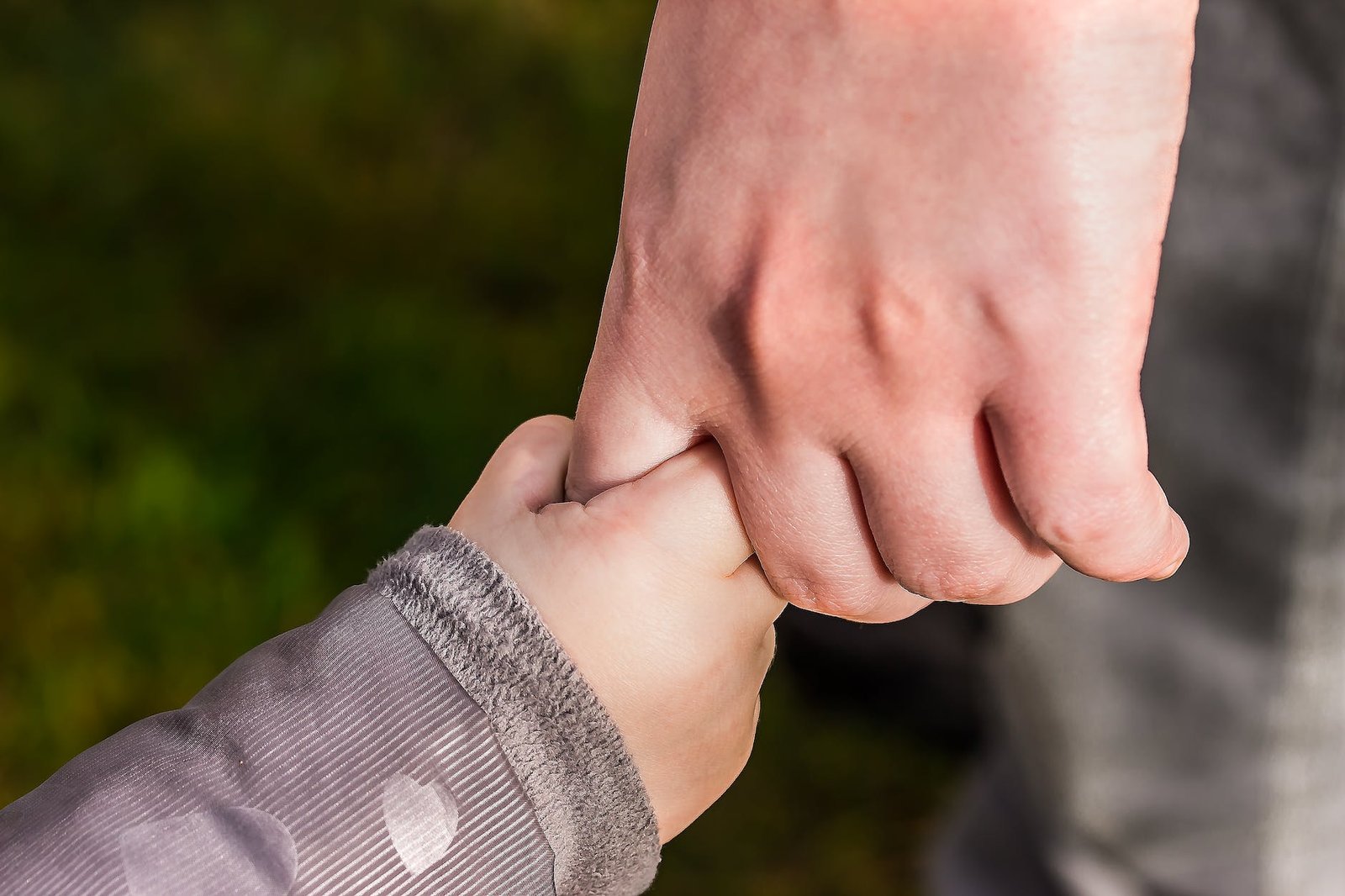
adult affection baby casual
Photo by Pixabay on Pexels.com

The way people with disabilities have been treated and portrayed by society has significantly changed for the better. There are more true-to-life stories being told. These accounts unmask what other people are so afraid to talk about. That doesn’t mean further change of people’s mindset surrounding our community couldn’t be accomplished. Acceptance of parents with disabilities is one of the components that could be used as a starting point to get the dialog of what living with a disability is really like.

This may seem like a tall order to fill, even in the 21st century. There are still societal and attitudinal barriers that are faced by the disability community regularly. These only seem to be amplified by mentioning the words parenting with a disability in the same sentence. There are so many related topics that are seen as taboo when you add the fact that some people with disabilities decide to have a family. There are still important issues like healthcare, relationships and over all well being that are ignored for people with disabilities because we don’t need those kinds of services. The reality of the matter is that we need more accessible information to be available so that we can have an increased quality of life. This information will help us make informed choices on the options of healthcare. That is when we will be able to make informed decisions about those subjects. The people who are most cherished in our lives need us to be healthy so we can participate in everyday activities.

It is important to raise awareness of parents with disabilities to the next level. People need to have the opportunity to learn more about what parents with disabilities must overcome even when making the decision of whether to go down the road of parenting in the first place. Sometimes people feel like parents that have a disability will become a burden to their children. Everyone’s child wants to take care of their parents as they age. Parents with disabilities are no different.

The conversations we have with our children and others around us are important in shaping the views people have surrounding a concept. The ideas shared on the subject with their children will help form the belief systems they will carry through their lives. If we can turn the tide to a more positive feeling surrounding disability, that would be a step in the right direction. Then there will be change and as a result mainstream society will see parents and people with disabilities in a more positive light.

Hopefully through the next series of content posted on the blog, questions will be answered and things that some people are afraid to ask will be answered.


Dating Someone with a Disability: A Few Things You Should Know

Dating can be an exciting part of life. It gives you the chance to meet different people and learn about the different kinds of relationships people can experience in their lives. Dating a person with a disability may not have been anything you have considered before. Maybe you have dated someone with a disability and felt like you went about it all wrong. In the second part to this blog, I wanted to share some tips for people without a disability who might be interested in approaching someone with a disability to go on a date or begin a relationship with that other person but don’t know where to start.

We are people first. The main thing to know is that people with disabilities are people first. This idea came from a movement of self-advocates who wanted people without disabilities not to define them by their disability. The shift in the way people address those with a disability takes the focus off the disability and keeps it on the individual, where it should be. People with disabilities have interests, jobs and outside activities that shape who they are. While the disability is a part of that person, it shouldn’t be the focus. The same is true for you if you decide to go on a date with someone who has a disability. Not only will they be impressed with you not focusing on whatever limitation they have to live with, but they will know you’ll be giving them a chance to get them know them as a person instead of being caught up in a disability they more than likely see as secondary to who they are as an individual.

Every disability affects people differently. Even though a large population may have the same diagnosis, that doesn’t mean that the disability presents itself in the same way. Whatever you may have read may not be accurate. If you have any questions about someone’s disability, it is important to get the facts from the person themselves. That person is the expert on how their disability affects them. It’s a good idea, once you have become comfortable with each other to find out the facts of that person’s circumstances. Don’t make assumptions based on what you have seen or read about what that person’s life is like. Once you get to the point of learning more about how that person’s disability affects them, you may be surprised what you learn.

Get ready to learn something new. Dating can be an exciting journey for so many reasons. You get to meet different people; you get to have new experiences. Dating someone with a disability is no different. The only additional perk is that you will learn new things about how people with disabilities accomplish tasks. Most of the time people with disabilities must think outside the box to get things done. Seeing life through someone else’s eyes by spending time with them gives you a new perspective on how others navigate the world. The area of assistive technology can also show you the possibilities available by helping people compensate for the limitations a disability puts in front of them. Assistive technology are pieces of equipment someone with a disability can use to help them accomplish tasks someone without a disability can do without assistance.  Seeing someone use a piece of assistive technology may also change the way you look at the world. These devices are a great way to demonstrate in real-time that a person’s limitations, physical or otherwise don’t have to limit their experiences in the world.   

Be open to new experiences. Dating someone with a disability can open your eyes to many things. It can teach you about the importance of accessibility of spaces or even inclusion of people with disabilities. You may go into a relationship with someone and feel like you know everything about a disability because of what you may have seen on television or heard about from a friend. A disability affects each person differently and the only way to know about how the disability affects that person is to be open to what you may learn or in a new experience.                                                                                                            

Be yourself. Let’s face it, everyone is nervous when it comes to dating. If you even look like you are being made uncomfortable by a person’s disability, your date is basically over.  On the other hand, if you find that you have things in common and can relate to each other simply as two people on a date, the odds will be in your favor that you’ll have a good time with that person. Your date will appreciate the environment and be excited to spend that time with you. If everything goes as well as you both hope, you’ll be on your way to scheduling a second date soon.

Remember, no matter what happens at the end of the date, dating people with different disabilities gives you a chance to broaden your horizons on specific topics. Our lives are not much different than other people and given the chance you probably will see for yourself that dating someone with a disability can be a great experience for you both. You may learn something new or even learn more about yourself on a personal level. You never know what is going to happen, you may have just met your future spouse and started making memories together.

Relationship Tips for People with Disabilities

Most people feel like Valentine’s Day is just a day for stores to sell lots of candy and Hallmark cards. Valentine’s Day is really a day set aside to celebrate love and the loved ones we have around us.

Relationships can be complicated. Sometimes the idea of dating can even be a little scary. For a person with a disability, they may feel an extra sense of anxiety when they think about dating.

People with disabilities should know they are worthy of companionship just like anyone without a disability. As a person with a disability sometimes you may feel like you are not supposed to want to venture into the world of dating. Maybe you feel like people won’t look past your disability to see what you have to offer someone else in a relationship.

Here are four tips to help you put your best foot forward when looking for a romantic partner.

Be confident. This may sound like a no brainer, but some people really struggle to be confident of themselves. Whether you’ve been disabled all your life, or your disability is a result of an accident you may have had later in life, it’s important to be confident in everything you do. Just because you have a disability doesn’t make you less of a person. Take some time to focus on the positives in your life to help you improve your self-image and what you have to offer anyone lucky enough to go out on a date with you.

Focus on your strengths. Everyone has strengths they can offer someone else in a relationship. Take an inventory of your strengths and let them shine when you are out on your date. Focus on your positive qualities with that person and they will focus on what you have to offer them as a potential partner.

Everyone has limitations. Some people’s limitations are more visible than others. You shouldn’t let your limitations hold you back from finding the right partner. This could even be your opportunity to help people learn more about your disability. The example you set of what it is to live with a disability could help erase any misconceptions they might have about people with disabilities.

Be yourself. Don’t try to be someone you are not. If people are truly interested in you, they will take the time to get to know you, the person. Your disability will be an afterthought to them as they get to know you and the qualities that make you the person you are. Make sure you share with them the things that are most important to you.

Most of all don’t forget to have fun. Dating can be a series of adventures. It is an opportunity to learn more about yourself, other people, and the world around you. You can go places and see things you may not otherwise get the opportunity to experience in other settings.

Don’t limit yourself or put yourself in a box. Don’t ever feel like you’re not good enough because you have a disability. You have the right to have the same experiences when it comes to dating as other people.

Even if you don’t find Mr. or Mrs. Right on the first try, you may be left with some interesting stories to tell your friends about when it comes to dating.

Whether you end up having a second date with that person or nothing comes out of the date, at least it was something you were able to experience. You never know what you may find.

A Review of “The Fault in Our Stars”

It’s not too often I watch a movie that talks about disability in any way.  It’s not because I am unwilling to be open about disability being portrayed in a movie, but because I find most times the representation of people with disabilities in a film or other artistic endeavor is negatively skewed. Some movie roles have shown an inaccurate depiction of what it’s like to have a disability. People with disabilities have been shown as weak, or like they can’t take care of themselves. It always makes me think of characters like Quasimodo and how hard the disability community has had to fight to overcome such antiquated stereotypes.

Since starting the blog, one of my goals has been to increase disability awareness in different areas. One of those areas is disability representation in the media. Continued debate exists about allowing actors with disabilities to fill roles that portray someone with a disability. The other issue is the way people with disabilities are depicted in the media. Because of various reasons, we are depicted mostly in a negative light. It makes me wonder if the way Hollywood shows a person with a disability contributes to overall misconceptions society has surrounding people with disabilities.

The movie I was lucky enough to watch is “The Fault in Our Stars.” There is also a book by the same name. Honestly, I was apprehensive about seeing the movie. I had heard different things about it that made it seem like it was just another movie that shined a negative light on people with disabilities. Despite what I had heard, I decided to give it a chance. I am so glad I did. Although the movie was sad, it gave what I felt was a realistic depiction of living with a disability.

The movie is about two teenagers who meet in a support group and fall in love. They both have different forms of terminal cancer. I was impressed with how the parents of the characters allowed their children to live independently despite their limitations. This can be a scary concept for the parent of a child with a disability. It can also be a very helpful tool for both the parent and the child. The child gets to gain life experiences and the parent can witness their child gaining independence and navigating their lives with resources available to them. When one of the characters got the opportunity to meet her favorite author, the movie was honest and showed the obstacles she faced getting around the city she was visiting. Additionally they didn’t shy away from showing how she overcame the barriers that existed to make it to their meeting place.

I don’t think living with a disability is about sugarcoating things. I really enjoyed how this movie did anything but that. It showed how people with disabilities aspire to do things in life. It also showed how they can realistically accomplish their goals. I was impressed that the movie writers were brave enough to show that people with disabilities could fall in love. This is an aspect of living with a disability that some people are afraid to talk about but happens all the time.

There have been other books and movies that show people with disabilities as people who should be hidden away from mainstream society. Others send the message that they should be protected so much they don’t have the opportunity to enjoy life. That is not what living with a disability is all about. Each person has a different experience with their disability. However, we all deserve to reach the goals we choose to set for ourselves. I felt like this movie made people with disabilities look like real people. Maybe this movie can help make the topic of disability less scary for others who don’t have experience interacting with someone who has a disability.

I would definitely recommend this movie for anyone who likes a comedy, drama and bit of a sad story. I look forward to finding more stories that include disability in such a realistic way.

It gave me renewed hope that maybe in the future people with disabilities and the roles written around these characters aren’t ones of pity and dismay. As a result, society can gain a more realistic foundation of what life is like for people with disabilities.

Holly Robinson Peete’s Reality Show Casts a Refreshing Perspective on People with Disabilities

As a tween, I remember watching Holly Robinson Peete on the television show “21 Jump Street”. Later, she appeared on “Hangin’ with Mr. Cooper”. Who would’ve thought she would use her celebrity many years later to advocate for Autism and people with disabilities? When I heard about her going into Reality television, I wasn’t sure what her message would be, or how it would impact different aspects of awareness of people with disabilities.

In her reality show, “Meet the Peete’s”, which airs on the Hallmark Channel, we get an in depth look at her family life. What is most refreshing about the show is that her family puts real-life issues they face daily in the public eye. Although her son was diagnosed with Autism at an early age, he’s just an everyday young adult on the show. Honestly, that wasn’t very surprising to me at all, and made me feel good for many reasons. That includes having a job and navigating a social life. At the beginning of trying to watch the show, it isn’t clear what spin they were going to put on his diagnosis.  It’s refreshing to see that they have incorporated appropriate mechanisms to help him achieve his goals, while leading a very full life. This perspective helps dispel some myths about being a person with a disability. One stereotype the show addresses is that people may think people with disabilities don’t or can’t contribute to different aspects of society. The show illustrates how planning and being familiar with different services relieves any concerns of how to make different goals attainable.

This isn’t to say there aren’t hardships that are faced even when the cameras are off but, let’s face it, what family doesn’t face one sort of obstacle or another at one time or another? The feeling of life, unity, love and family runs through the veins of the show from start to finish. It’s a great demonstration that living with a family member who has limitations isn’t the end of the world, and that it shouldn’t have a negative connotation at all. It also comes at a great time when there’s a general sense of heightened awareness about people with disabilities

Because I’ve used this platform before to talk about the importance of disability in the media, I think this is a great time to highlight how this show is different from what has come before. This show accomplishes the goal from a different perspective and has a different flavor. It shines a positive light on living with a disability. It doesn’t show her son as being treated differently from other family members in any way. They’re also starting conversations such as living independently and even navigating different kinds of relationships in front of the viewers eyes. At the same time, it’s important to note there may be an air of uneasiness that surfaces when discussing these issues within families in general. However, it’s extremely important to recognize that these subjects need to be approached with open communication so that, whatever obstacle might come about in achieving each goal, there are ways to find viable solutions together. Perhaps part of the difficulty in starting the conversation is not knowing how certain subjects should be approached.  Another concern may be what to do if answers aren’t readily available. Simply knowing where to look for answers may also cause some anxiety to families but, Meet the Peete’s lets other families know they’re not alone in navigating this journey.

Increased awareness and sensitivity is shown not only by the family, but also by the Hallmark Channel which broadcasts the show. If you haven’t had a chance to watch the show, I highly recommend searching it out in your area. It truly has something for everyone who watches the show, regardless of whether your life is touched by someone who lives with a disability.

Thanks for reading..

cr

http://people.com/health/holly-robinson-peete-son-autism-diagnosis-life-now/


Loss of Funding=Loss of Independence for Some?

This week I found an article that was a bit concerning to me. Many efforts have been made to de-institutionalize people with disabilities but this article seems to want to take a step back in time. I spend a lot of time writing about the importance of living as independently as possible within your limitations. The opportunity to live somewhere, other than with your parents when you reach 18 is like a right of passage for most young adults. It’s no different for those who live with a disability. The experiences we have building relationships, holding jobs and even volunteering enhances the quality of our lives like nothing else.

Day programs vary in what they do but I really like the one mentioned in this article. There are a bunch of activities ranging from work and play. Also, the residents aren’t necessarily restricted to staying indoors all day. The participants have their own apartments that give them an element of individuality too. A sense of community, where people don’t feel so alone, has also been fostered within the group. Friendships and social interaction between people is an important part of their environment and even trickles out into the community. Not surprisingly, funding is at issue, and these programs are in jeopardy of being cut. As a result, the residents will lose the predictability and stability of what they’re able to do.

It would be beneficial to all if other solutions could be found, instead of going to the extreme of cutting funding for these programs all together. More individualized approaches could be taken so  participant’s lives aren’t totally disrupted. Other solutions could avoid putting some participants in situations they can’t handle because of their disability. Since disabilities vary in how they affect people, it would be interesting to find out if some sort of assessment to determine level of need were conducted, how much could the program be changed to benefit both the State and the participant?

Unfortunately, programs for the disabled and or disadvantaged populations always seem to be the ones cut or downsized in some way that negatively impacts recipients. Maybe in the long run solutions can be devised so the quality of life of these participants won’t be negatively affected.

What do you think of the benefits these programs provide?

Thanks for reading..
cr

For more information check out the link below:

http://www.northjersey.com/news/changes-ahead-in-n-j-for-disabled-some-fear-loss-of-familiar-programs-1.1307297

“Margarita, with a Straw” Thoughts

In the course of writing this blog, I’ve spent time exploring how the media portrays people with disabilities. The film “Margarita, with a Straw” goes one step further and talks about a person with a disability and their experience with relationships too. Unfortunately, there are many people who think people with disabilities are unable to have intimate relationships because of their limitations. Making that assumption without talking to the person about the subject will only lead to inaccurate information. As I may or may not have said before, the way a person’s disability affects them ranges. While I’m not a medical professional, I can say that reading about Cerebral Palsy or any other disability on a website like WebMD, or picking up a book on the subject may not give you the most accurate information on a particular person’s daily life.

Like with most other things, communication is really the key to quenching the curiosity that might exist. It’s not a bad thing to ask questions about things we don’t know. An even worse outcome would be to miss out on a great and adventurous experience with someone you care about just because there’s no dialogue about a particular issue. Also, not knowing the right information about that person may lead to unnecessarily hurting their feelings.

While I haven’t seen “Margarita with a Straw” I’m glad someone took the chance to make a movie on a subject some may consider taboo. Hopefully, this movie will catch the eye of an American filmmaker and they have the idea to bring it to American audiences. It’s a great way to raise awareness on the fact that disabled people have the same wants and needs as everyone else. It’s also a great way to open dialogue on a side of a disabled person’s life that’s rarely talked about but, is worthy of some attention.

Thanks for reading..

cr

For more information on the movie, check out the link below:

http://variety.com/2015/film/reviews/film-review-margarita-with-a-straw-1201406266/

Relationships and Disability

I was watching “The Jeff Probst Show” this past Monday and he was talking to Deborah Ann Woll from the HBO series “True Blood”.  Her boyfriend happens to be legally blind because of a rare condition called Choroideremia.  What I happened to find most interesting about the interview was that they were talking about the modified dates they have been on because things like the sun are painful to her boyfriend’s eyes and can actually speed up his vision loss.

No matter what a person’s disability is, they have a right to have relationships with the opposite sex if they so choose.  There might be some impact on the non-disabled person’s life but depending on the disability, this is not always the case.  Also, if they love each other or really like each other it shouldn’t matter either way. 

It was also interesting to me that during the interview, Deborah’s boyfriend (his name is E.J.) said that while he was trying to date people, some were bothered by his disability.  Unfortunately, I know firsthand, from past experience, that some people can not handle dating someone who has a disability.  In the long run, it is the person with out the disability who misses out, not the other way around. 

As I was thinking about this, I can’t say that one gender is more likely to date a disabled person than the other.  I just really think it depends on the person’s personality and their experiences that would make them more or less likely to be open to dating someone with a disability. 

All in all, relationships can be complicated enough.  People should not start out from the beginning with the attitude that things cannot work out with someone who is disabled, (or really vice versa for those who have a disability that are a little leery on dating someone who isn’t disabled.) just because they may have to do things a bit differently with that person.  If they are interested in dating one another, they should just have an open mind about it and see how it works out.

Why is it that when you mention the words “dating” and “disability” in the same sentence, the topic seems so out of the ordinary to some people?

Thanks for reading..

cr