Perspectives on Parenting with a Disability

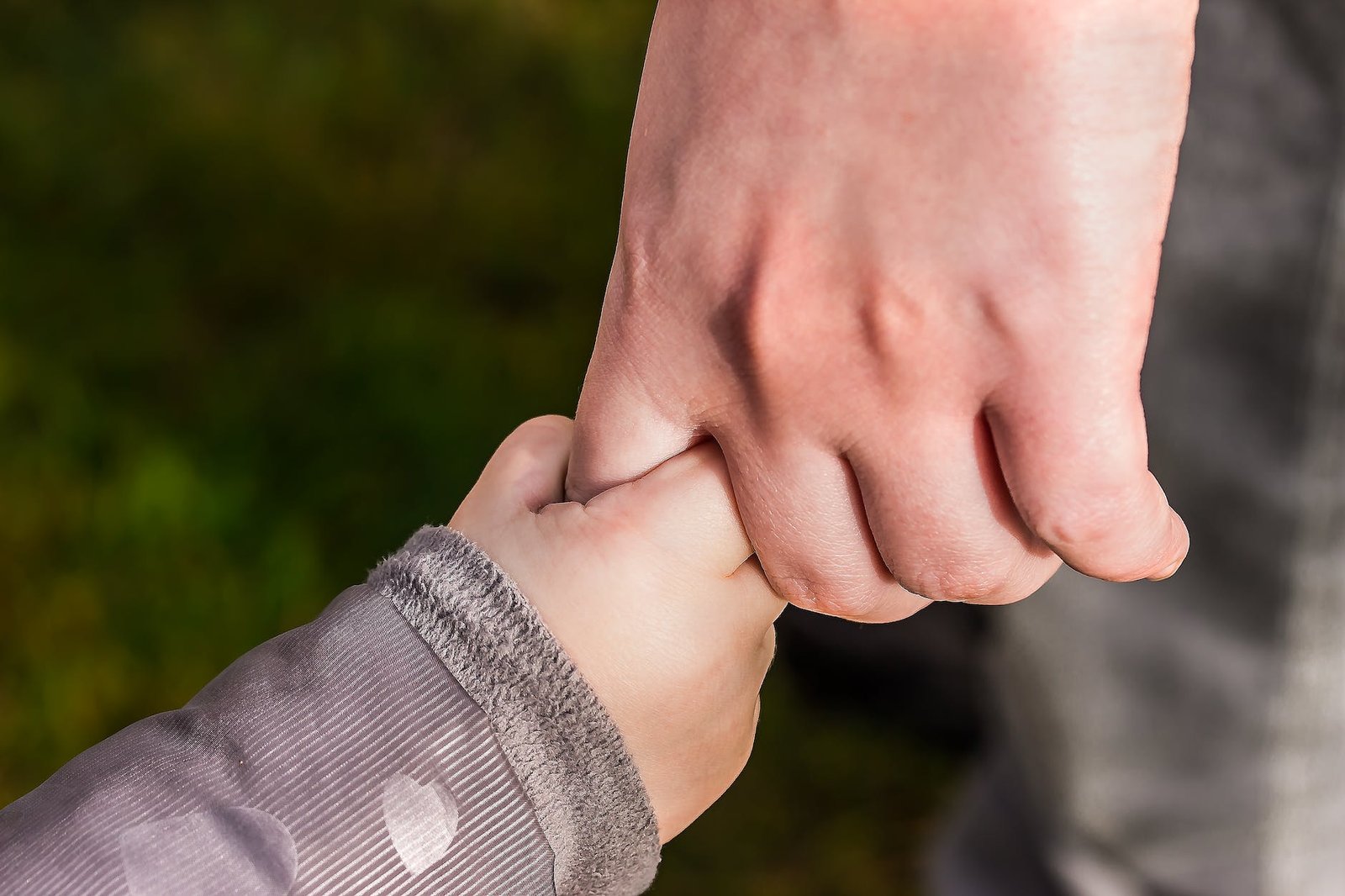
When it comes to parenting, there aren’t very many parents with disabilities in play groups, after school groups, or even recreational groups for our children. However, there are parents with a range of disabilities in society. Sometimes people are too caught up in our limitations to realize that people with disabilities can be successful parents too. The issues faced by parents with disabilities aren’t really known by mainstream society. We are still seen as people who are incapable of parenting because of our limitations. This misconception doesn’t stop people with disabilities from dreaming and planning to become parents.

Social media posts exist that tell parents to teach their children to be accepting of the kids with disabilities in their surroundings. The first ingredient is for the fear of disability to be erased in adults. People with disabilities are still seen as people who are constantly ill or can’t take care of themselves at all. There is the misconception that it is too cumbersome to afford us the accommodations to meet our basic needs.  People believe we live a miserable existence and there is little positivity that surrounds us. This may sound uncomfortable or difficult because some people don’t know where to start. The solution to overcoming this myth is to find out more information from reliable sources on disability. This should be the starting point to unveiling the unknown of what it is to really live with a disability. Unfortunately, society allows different forms of media to shape people’s frame of reference without having real life experiences to draw upon.

The reality is that people with disabilities are productive members of society who deserve the chance to not be judged solely on appearance. Parents with disabilities are still left in the shadows or criticized for their choice to become a parent in the first place. There are resources, support and pieces of assistive technology available that make the job of parenting with a disability a possibility for those interested in exploring that avenue and a reality to those that are already parents.  On the flipside, we are still parents to children who love us, who only see us as their parents and see our disability as secondary if even at all. It is rarely an issue to kids that we have any sort of limitation. Adding to the conversation of what parenting with a disability is really like is one way to add a layer to a topic that is rarely discussed. It is time that it be brought out of the shadows.
adult affection baby casual
Photo by Pixabay on Pexels.com

The way people with disabilities have been treated and portrayed by society has significantly changed for the better. There are more true-to-life stories being told. These accounts unmask what other people are so afraid to talk about. That doesn’t mean further change of people’s mindset surrounding our community couldn’t be accomplished. Acceptance of parents with disabilities is one of the components that could be used as a starting point to get the dialog of what living with a disability is really like.

This may seem like a tall order to fill, even in the 21st century. There are still societal and attitudinal barriers that are faced by the disability community regularly. These only seem to be amplified by mentioning the words parenting with a disability in the same sentence. There are so many related topics that are seen as taboo when you add the fact that some people with disabilities decide to have a family. There are still important issues like healthcare, relationships and over all well being that are ignored for people with disabilities because we don’t need those kinds of services. The reality of the matter is that we need more accessible information to be available so that we can have an increased quality of life. This information will help us make informed choices on the options of healthcare. That is when we will be able to make informed decisions about those subjects. The people who are most cherished in our lives need us to be healthy so we can participate in everyday activities.

It is important to raise awareness of parents with disabilities to the next level. People need to have the opportunity to learn more about what parents with disabilities must overcome even when making the decision of whether to go down the road of parenting in the first place. Sometimes people feel like parents that have a disability will become a burden to their children. Everyone’s child wants to take care of their parents as they age. Parents with disabilities are no different.

The conversations we have with our children and others around us are important in shaping the views people have surrounding a concept. The ideas shared on the subject with their children will help form the belief systems they will carry through their lives. If we can turn the tide to a more positive feeling surrounding disability, that would be a step in the right direction. Then there will be change and as a result mainstream society will see parents and people with disabilities in a more positive light.

Hopefully through the next series of content posted on the blog, questions will be answered and things that some people are afraid to ask will be answered.

Breast Cancer Awareness Month and its Importance for People with Disabilities

October marks breast cancer awareness month. This is the month that was chosen to highlight the importance of getting routine mammograms and raise awareness about breast cancer.

Due to the pandemic, there has been a drop in going to get preventative screenings completed. This can have serious implications for your health and possible long-term prognosis.   For both women with and without a disability, it’s equally important to stay current with mammogram screenings. Mammograms are used by doctors to find early signs of breast cancer. It’s very important to get a mammogram on a regular basis. The first experience of getting a mammogram may seem scary to some but once you have gone through the process, you may see it as an empowering step you have taken to care of yourself.

For people with disabilities, there are many concerns we need to be able to discuss openly with our health professionals. Some of these topics, such as breast cancer screenings may seem uncomfortable or taboo to talk about but need to be addressed. Make sure you have a healthcare provider you feel comfortable talking to about sensitive issues. They are there to help you take the best care possible of yourself.  Make sure you are open with them about your medical history. If you don’t feel like you can openly discuss your medical issues, it may be time to find a new provider.

Preventative screenings are one way for all women to be proactive when it comes to health. Doctors will tell you to complete self-checks even before it’s time for your mammogram. Self-checks may be difficult to do if you have a disability but, it’s important to do the best you can to complete them. It’s also important for you to take note of any new moles or markings you may notice in between appointments and screenings They may just be your body changing as you age but, it’s always important to be familiar with things and get a doctor to look at them just to be sure it’s nothing potentially dangerous to your health.

When you make an appointment, you can let the person taking your information know you will need assistance during the exam. Be sure to follow the pre appointment instructions you are given to be prepared properly on the day of the appointment. Once at the appointment, you can let the technician know how they can best assist you so they can get an accurate test done.

When your primary care doctor receives the results, they will notify you of their preferred method they use to communicate the results to their patients. Some doctors will require you to make an appointment for an office visit to talk with you about the results. Because of the pandemic, some doctors may convey the results to you through a telehealth visit.

Mammograms are one of the easiest things you can do to help take care of yourself. Finding breast cancer early helps you have a higher chance of winning the battle against this terrible disease. Don’t be afraid about asking for help during your mammogram or talking to your doctor about questions you might have when going to get a mammogram.

Speaking up to get the preventative care you need has many benefits. You can help the doctors become more informed on the health needs of people with disabilities. It will also help you advocate for the care you need. The effort you make now can help save your life.

DISCLAIMER TO READER: The content of this post is for informational or educational purposes only, and does not substitute professional medical advice or consultations with healthcare professionals. Consult a medical professional or healthcare provider if you are seeking medical advice, diagnoses, or treatment. I am not a doctor or mental health professional. My blog is not a substitute for professional medical or mental health advice, diagnosis, or treatment. I am not liable for risks or issues associated with using or acting upon the information on my site.

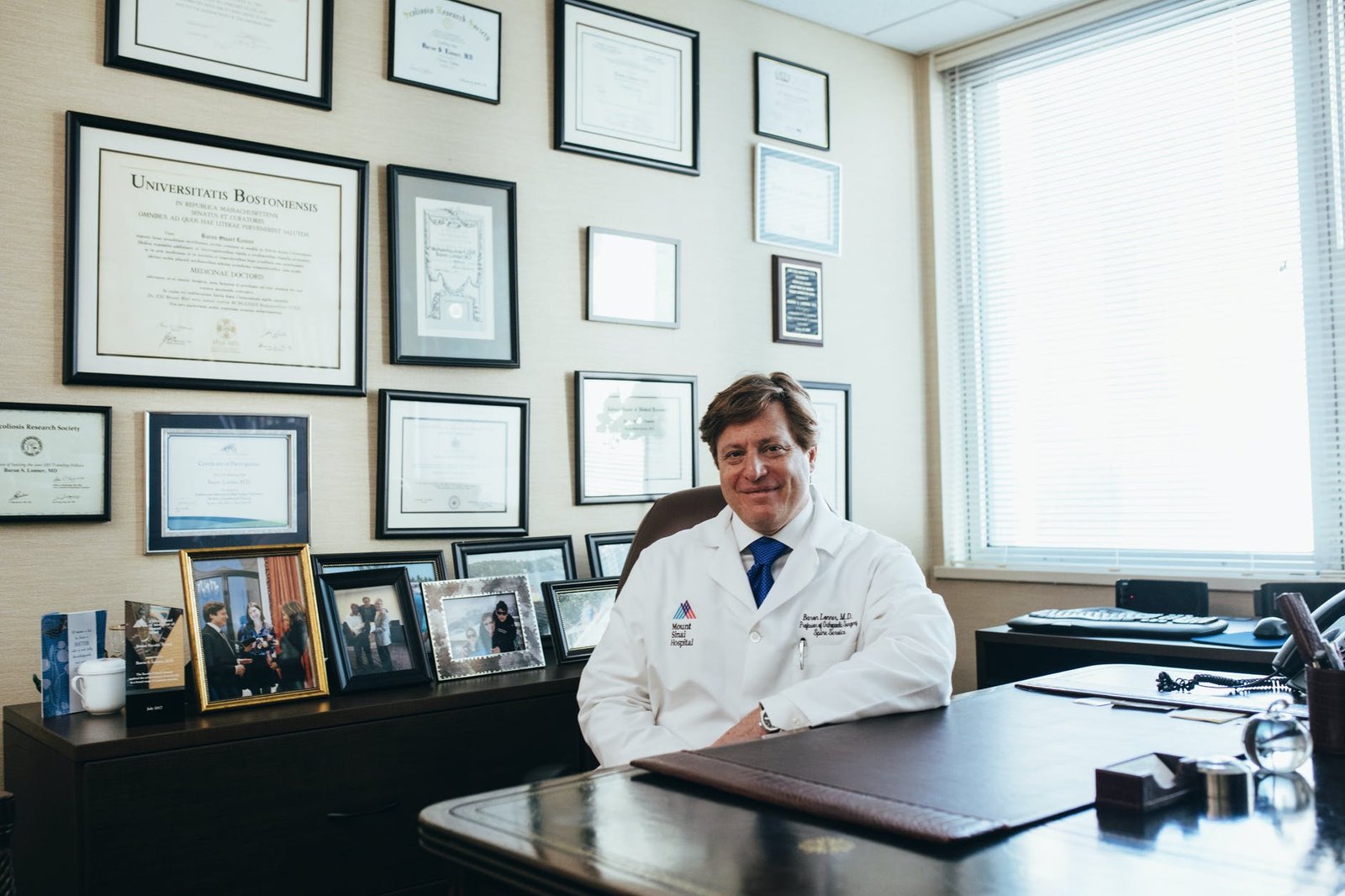
The Benefits of Having a Doctor with a Disability as Part of Your Medical Team

In recent years, there has been a lot of discussion about employing more doctors with disabilities in the medical field.

Having a doctor with a disability taking care of your medical needs has many benefits. It has a positive impact on the patient, and parent or caregiver in addition to creating a shift in the mindset of society about disability.

As a patient with a disability, having a doctor who is also disabled has a positive impact on their overall experience in a medical setting. It not only gives them someone who can relate to their issues on a more personal level, but can also help break the barriers of what society has projected disability to be. The patient can see that someone’s limitations don’t have to be a barrier to what they want to achieve in their lives.

The patient or even their parent can see that disabilities don’t have to limit career choices or the future we create for ourselves. The patient can see that not only can their medical needs be addressed by someone that can potentially better relate to their circumstances, but they can also see a real-world example of how someone can overcome their limitations to have a career that makes them happy.

Suddenly, the added stress they might sometimes feel about going to the doctor and having to justify other issues has suddenly melted away. They can address the actual reason for their visit. They get right to the point in your medical care and are that much closer to finding a solution to the problem at hand.

Sometimes parents aren’t sure what life with a disability is going to be like for their child. If they see adults with disabilities as doctors, or other professionals in different fields, they can gain a different perspective about what someone’s life with a disability can look like in the future. The doctor or other professional may even be willing to share advice on how to reach their goals while living with their disability. This might also help the parent understand how to better help their child reach their dreams. 

The more society gets to see doctors and other successful professionals with disabilities in our society, the more likely it is that a lot of misconceptions about disability will change for the better. Society can get the chance to really recognize that people with disabilities can be productive and contribute to society in positive ways.

People with disabilities can achieve a career goal and even live in the same communities while making a difference in the lives of other people. These examples should be a catalyst to change how society views disability. It should also be a motivator so that those with a disability don’t feel like they can’t achieve whatever goal they set for themselves.  

If you are lucky enough to have a doctor with a disability, you get to see that people with disabilities don’t have to be put in a box when it comes to what they want to do for a profession. The limitations we face can be overcome by some form of modification or accommodation. Seeing someone with a disability in a high-status position can help you go after your dreams, whatever they might be.

If you are a person with a disability and you want to be a doctor, a lawyer, or anything else, anything is possible. Don’t let your limitations stop you from accomplishing your dreams. There are so many people with disabilities that currently have influential jobs or positions in the community. The only thing left to do is research what it takes to be a part of your profession and start down the path to success.

Caitlyn Jenner’s Speech has Potential to Reach Many

This past week, Caitlyn Jenner accepted The Arthur Ashe Courage Award at the 2015 ESPYs. Since the announcement that Bruce Jenner, an Olympic Medalist and past spokesperson, was transitioning to become Caitlyn Jenner people have voiced mixed reactions on every form of Social Media. I didn’t get to see the speech on television when it aired, but caught it the next day on YouTube.

At first, I, like a lot of other people, felt like Noah Galloway should receive the award. Now, I feel like I understand why Caitlyn Jenner got it instead of Noah. In my opinion, the simple fact that Caitlyn Jenner gave such an eloquent speech with such a powerful message, not only about and for the transgender community but, also, if we step back for a moment, a message that could be applied to the disabled community as well, is a sign of courage all by itself.  The main theme of her speech was about acceptance, no matter our differences. If we really take a moment to think about it, acceptance as a whole is what everyone ultimately wants.

In Caitlyn’s speech, she talks about the transgender youth that are bullied and even commit suicide because they’re just trying to live the way they’re most comfortable in their skin. I have to admit, I remember seeing Bruce Jenner on cereal boxes as a kid and yet no one knew the suffering he was dealing with in private. I can also think about how many kids in school may get bullied and made fun of just because of their disability. I read an article saying that if Caitlyn Jenner helped one transgender youth with her speech, that made her a hero. What if her speech also helped someone with a disability, because somewhere along the line that person felt different, and as a result not adequate?  I’m not sure that’s the case but with the wide reach of the internet, anything is possible.

Whatever opinion you have about Caitlyn Jenner and what she chooses to do with her life is your own, and really not what I’m trying to focus on here. The fact that someone is attempting to use their lives to knock down barriers so that we become more compassionate to one another is what stuck out to me. Although she isn’t the first, or only celebrity to do this, I have to applaud her for being vocal on a subject that so few people mention, even in a whisper. I hope more celebrities speak out and use their names to help gain acceptance for all groups that have been coined as “different” in today’s world.

Only through acceptance of one another, no matter our differences, can we all be afforded the opportunity to experience life to the fullest. Such opportunities have the potential to open doors for things like gaining employment, having more relaxed conversations with people about dating and disability, addressing our healthcare concerns, and even being parents with a disability if that’s what we choose to pursue. The potential for open dialogue on these and many other issues has just increased tenfold because of one person’s speech about acceptance in our society.

Thanks for reading..
cr