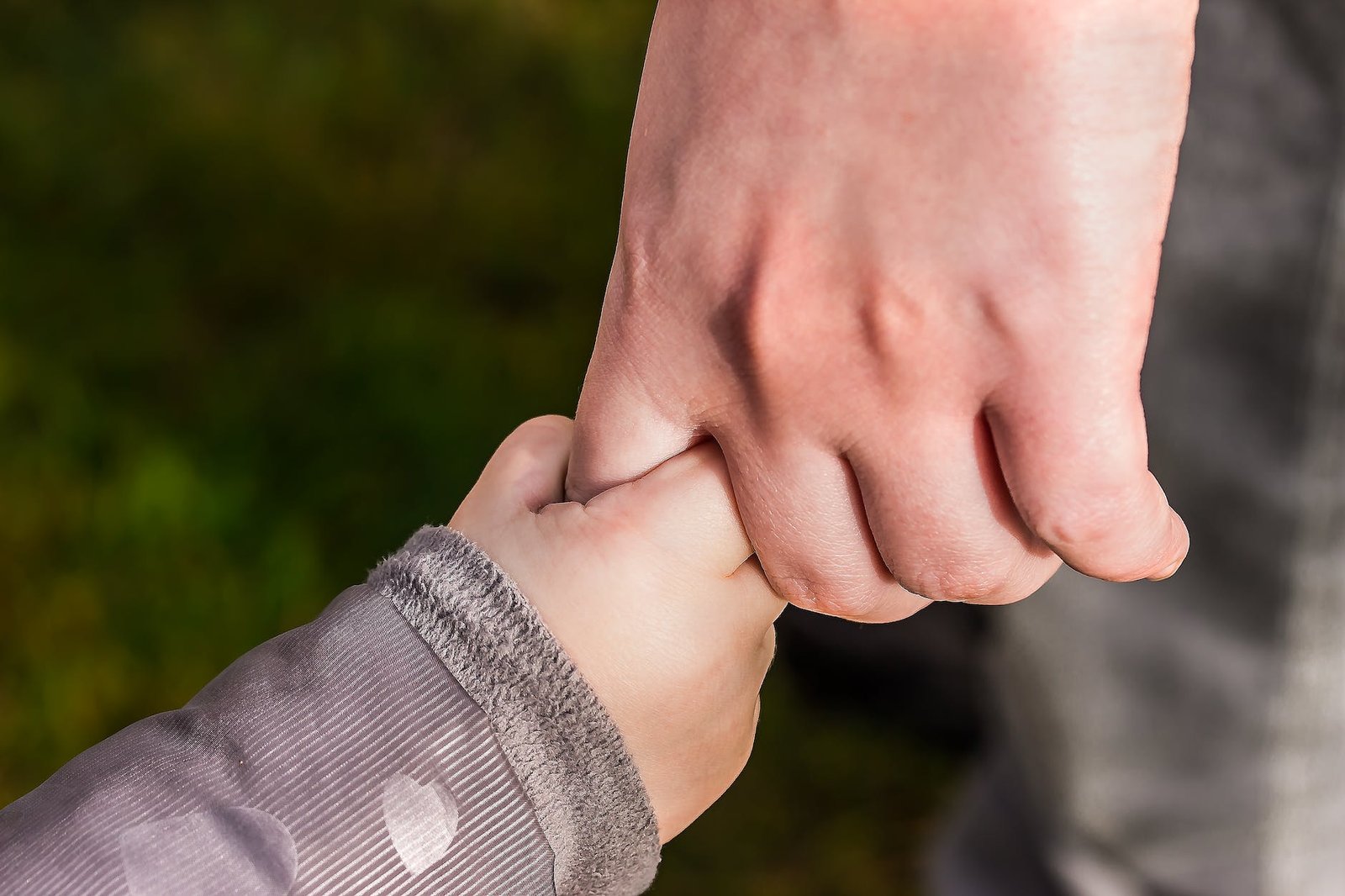
In our first interview for our series on perspectives of parenting with a disability, we spoke with A.L. from South Florida. Continue reading this post to learn more about his experience of parenting with a disability.
Question: What are some of the concerns you had about parenting with a disability before becoming a parent?
A.L: When I got injured in 2004, my daughter who is now 25 was 7 years of age. One of my concerns was not being able to play sports with her as she was very active with softball and soccer. Also, not being able to have close access to her games due to the fields being all grass and or parks not having wheelchair access.
Question: What is one of the biggest obstacles you have faced as a parent with a disability?
A.L: Not being able to easily go to the beach with my kids due to access on the sand.
Question: What is the most important modification or pieces assistive technology that has made it’s easier and is important to you as a parent with a disability?
A.L: My hand controls for driving are a must!
Question: How have your children adapted to you as a parent with a disability?
A.L: My 25-year-old who was 7 at the time adapted to my situation very quick. She saw that I was motivated and determined so that made it easy for her. My triplets who have only known me in the wheelchair, only have random questions once in a while.
Question: Can you remember a time where you changed someone’s opinion about your ability to parent with your disability?
A.L: Yes. When people would see me around my neighborhood pushing a triplet stroller they would smile and tell me how they never thought they’d see someone in a wheelchair take their kids for a stroll so easily.
Question: As a stepparent, do you feel like your stepchildren treated you differently because of your disability?
A.L: My triplets mother has a daughter who was 5 years of age when I met her. At first she had a lot of questions but adapted very quickly and saw that I can basically do everything that an able body person can just a bit slower.
Question: What would you like to see change for parents with disabilities?
A.L: More access for hard to reach places and more cost effective equipment.
Question: Is there anything else you’d like people that are reading this to know about parents with disabilities?
A.L: Never give up on trying to do the things you want to do for yourself and your children!
Mama’s Munchkin Blog would like to thank A.L. for participating in our interview. If you know anyone who would like to participate in this series in an effort to raise awareness about the issues parents with disabilities face in our society, please email us at mamasmunchkinblog@gmail.com
When it comes to parenting, there aren’t very many parents with disabilities in play groups, after school groups, or even recreational groups for our children. However, there are parents with a range of disabilities in society. Sometimes people are too caught up in our limitations to realize that people with disabilities can be successful parents too. The issues faced by parents with disabilities aren’t really known by mainstream society. We are still seen as people who are incapable of parenting because of our limitations. This misconception doesn’t stop people with disabilities from dreaming and planning to become parents.
Social media posts exist that tell parents to teach their children to be accepting of the kids with disabilities in their surroundings. The first ingredient is for the fear of disability to be erased in adults. People with disabilities are still seen as people who are constantly ill or can’t take care of themselves at all. There is the misconception that it is too cumbersome to afford us the accommodations to meet our basic needs. People believe we live a miserable existence and there is little positivity that surrounds us. This may sound uncomfortable or difficult because some people don’t know where to start. The solution to overcoming this myth is to find out more information from reliable sources on disability. This should be the starting point to unveiling the unknown of what it is to really live with a disability. Unfortunately, society allows different forms of media to shape people’s frame of reference without having real life experiences to draw upon.
The reality is that people with disabilities are productive members of society who deserve the chance to not be judged solely on appearance. Parents with disabilities are still left in the shadows or criticized for their choice to become a parent in the first place. There are resources, support and pieces of assistive technology available that make the job of parenting with a disability a possibility for those interested in exploring that avenue and a reality to those that are already parents. On the flipside, we are still parents to children who love us, who only see us as their parents and see our disability as secondary if even at all. It is rarely an issue to kids that we have any sort of limitation. Adding to the conversation of what parenting with a disability is really like is one way to add a layer to a topic that is rarely discussed. It is time that it be brought out of the shadows.
The way people with disabilities have been treated and portrayed by society has significantly changed for the better. There are more true-to-life stories being told. These accounts unmask what other people are so afraid to talk about. That doesn’t mean further change of people’s mindset surrounding our community couldn’t be accomplished. Acceptance of parents with disabilities is one of the components that could be used as a starting point to get the dialog of what living with a disability is really like.
This may seem like a tall order to fill, even in the 21st century. There are still societal and attitudinal barriers that are faced by the disability community regularly. These only seem to be amplified by mentioning the words parenting with a disability in the same sentence. There are so many related topics that are seen as taboo when you add the fact that some people with disabilities decide to have a family. There are still important issues like healthcare, relationships and over all well being that are ignored for people with disabilities because we don’t need those kinds of services. The reality of the matter is that we need more accessible information to be available so that we can have an increased quality of life. This information will help us make informed choices on the options of healthcare. That is when we will be able to make informed decisions about those subjects. The people who are most cherished in our lives need us to be healthy so we can participate in everyday activities.
It is important to raise awareness of parents with disabilities to the next level. People need to have the opportunity to learn more about what parents with disabilities must overcome even when making the decision of whether to go down the road of parenting in the first place. Sometimes people feel like parents that have a disability will become a burden to their children. Everyone’s child wants to take care of their parents as they age. Parents with disabilities are no different.
The conversations we have with our children and others around us are important in shaping the views people have surrounding a concept. The ideas shared on the subject with their children will help form the belief systems they will carry through their lives. If we can turn the tide to a more positive feeling surrounding disability, that would be a step in the right direction. Then there will be change and as a result mainstream society will see parents and people with disabilities in a more positive light.
Hopefully through the next series of content posted on the blog, questions will be answered and things that some people are afraid to ask will be answered.
As people with disabilities, advocacy is one of the main techniques we use to have our needs met. While this can invoke stress and anxiety in some people and even prevent them from conquering their goals, it does not have to be that way. Creating an advocacy toolkit may be the solution you have been looking for without knowing you were looking. This post is going to explain what an advocacy toolkit is and why you need one in your life.
An advocacy toolkit is a term I created after years of advocating in different situations with no clear road map to guide me along the way. Creating your own advocacy toolkit provides you with a system to implement that helps you be more efficient in your efforts. When you live with a disability, there aren’t many “how to” manuals to take the guesswork out of accomplishing your goals. This can leave you scared, overwhelmed, and even defeated before you get started. Some of the items in the toolkit are physical while others are not. Those that are not will require some other investment from you such as time, resourcefulness, or brainstorming. This is when you can get creative and have a little bit of fun involving friends, family, or others in your support system to get involved in sharpening your skills on the way to overcoming each hurdle that lies in front of you.
While some of the issues that people come up against while advocating for their needs are unique to them, there are some things that are standard that can help make overcoming your obstacles a little bit easier. First, let me define what I mean by an advocacy toolkit. It is a set of resources you create to help you maximize your ability to get a positive outcome for your issue.
Organization is a big part of successful advocacy. Choose a designated area to keep your materials. I call that the command central of all your advocacy activities. The benefit of even having a dedicated corner or space for your advocacy projects can be priceless to the overall operation of your success in the world of advocacy. Advocacy can be stressful. Designating an area to house folders, notebooks and other key materials helps you know where all your materials for each project are located at the drop of a hat. After you sit down in that space, all you need to do is focus on what needs to be done.
Documentation. First it is important to mention that to ensure your success, you should use a system that works for you. Whether you are using a computer program to document certain facts that help you build supporting evidence or if you use regular pen and paper. Your system for keeping notes, logs and other important papers together needs to be something that won’t be easily lost like a loose-leaf sheet of paper randomly placed on your dining room table.
Resources. Learning all you can about what is currently available to help you in your community is another tool that needs to be in place. It is important to stay up to date on the requirements to utilize the services of agencies or other offices that can play a role and assist you in your desired outcome.
Key Details Know the details of the issue that is an obstacle for you. This is where you focus on the problem in front of you. Is there anyone else who has had the same problem in the past? How is it affecting you? Why is it an obstacle for you? Learn as much as you can about how the system currently works and who is on the front line.
Build your Team. Building your team has many benefits for the advocate. Sometimes we need people to be there to listen to our ideas. Maybe we need someone to talk to if the process gets stressful. Building a team that can provide us with the support we need is a way to figure out who can best encourage you in reaching your goal. It is also a way of figuring out who are the people you need to connect with to help you with information and who are the people responsible for helping you overcome the obstacle in front of you. Sometimes you can enlist family members or friends. In other cases, it is the managers of a company that can help eliminate the obstacles in front of you that you can make connections with to help you along the way.
Become Familiar with Potential Outcomes (or Devise Your Own) Try to find out solutions that have been used in the past. What worked and what did not work? Do you have an idea that seems like it could work as a satisfactory solution? Be open to working together with the other stakeholders and other interested parties to work together in finding a solution that works for everyone involved.
Practice your craft. Advocacy is all about refining the skills you need to get your message across. Whether it is public speaking, writing a letter or learning better organizational techniques, use some of your time to find ways to improve on the craft of advocacy. There are plenty of workshops, books, and webinars you can access right from the comfort of your home to brush up on your skills or even learn new ones that can come in handy for improving your outcomes.
This list can help you get off to a good start at becoming a better advocate. It is up to you to create the system you need that will maximize your success rate. Advocacy can be a stressful thing to take on. When you have fewer things to worry about, it is much easier to use the energy to focus on the desired outcome and how to get there.
Dating can be an exciting part of life. It gives you the chance to meet different people and learn about the different kinds of relationships people can experience in their lives. Dating a person with a disability may not have been anything you have considered before. Maybe you have dated someone with a disability and felt like you went about it all wrong. In the second part to this blog, I wanted to share some tips for people without a disability who might be interested in approaching someone with a disability to go on a date or begin a relationship with that other person but don’t know where to start.
We are people first. The main thing to know is that people with disabilities are people first. This idea came from a movement of self-advocates who wanted people without disabilities not to define them by their disability. The shift in the way people address those with a disability takes the focus off the disability and keeps it on the individual, where it should be. People with disabilities have interests, jobs and outside activities that shape who they are. While the disability is a part of that person, it shouldn’t be the focus. The same is true for you if you decide to go on a date with someone who has a disability. Not only will they be impressed with you not focusing on whatever limitation they have to live with, but they will know you’ll be giving them a chance to get them know them as a person instead of being caught up in a disability they more than likely see as secondary to who they are as an individual.
Every disability affects people differently. Even though a large population may have the same diagnosis, that doesn’t mean that the disability presents itself in the same way. Whatever you may have read may not be accurate. If you have any questions about someone’s disability, it is important to get the facts from the person themselves. That person is the expert on how their disability affects them. It’s a good idea, once you have become comfortable with each other to find out the facts of that person’s circumstances. Don’t make assumptions based on what you have seen or read about what that person’s life is like. Once you get to the point of learning more about how that person’s disability affects them, you may be surprised what you learn.
Get ready to learn something new. Dating can be an exciting journey for so many reasons. You get to meet different people; you get to have new experiences. Dating someone with a disability is no different. The only additional perk is that you will learn new things about how people with disabilities accomplish tasks. Most of the time people with disabilities must think outside the box to get things done. Seeing life through someone else’s eyes by spending time with them gives you a new perspective on how others navigate the world. The area of assistive technology can also show you the possibilities available by helping people compensate for the limitations a disability puts in front of them. Assistive technology are pieces of equipment someone with a disability can use to help them accomplish tasks someone without a disability can do without assistance. Seeing someone use a piece of assistive technology may also change the way you look at the world. These devices are a great way to demonstrate in real-time that a person’s limitations, physical or otherwise don’t have to limit their experiences in the world.
Be open to new experiences. Dating someone with a disability can open your eyes to many things. It can teach you about the importance of accessibility of spaces or even inclusion of people with disabilities. You may go into a relationship with someone and feel like you know everything about a disability because of what you may have seen on television or heard about from a friend. A disability affects each person differently and the only way to know about how the disability affects that person is to be open to what you may learn or in a new experience.
Be yourself. Let’s face it, everyone is nervous when it comes to dating. If you even look like you are being made uncomfortable by a person’s disability, your date is basically over. On the other hand, if you find that you have things in common and can relate to each other simply as two people on a date, the odds will be in your favor that you’ll have a good time with that person. Your date will appreciate the environment and be excited to spend that time with you. If everything goes as well as you both hope, you’ll be on your way to scheduling a second date soon.
Remember, no matter what happens at the end of the date, dating people with different disabilities gives you a chance to broaden your horizons on specific topics. Our lives are not much different than other people and given the chance you probably will see for yourself that dating someone with a disability can be a great experience for you both. You may learn something new or even learn more about yourself on a personal level. You never know what is going to happen, you may have just met your future spouse and started making memories together.
As the anniversary of signing of the Americans with Disabilities Act of 1990 (ADA) approaches, it’s hard not to think about the contributions that Justin Dart, Jr. made to the disability community. It’s also hard to ignore how the culmination of his advocacy and efforts of increasing awareness about issues faced by people with disabilities was met when George H.W. Bush signed the Americans with Disabilities Act of 1990. There are many contributions that Justin Dart, Jr. made to the advancement of independence for people with disabilities that is relevant more than ever today. This one piece of legislation had a profoundly positive impact on the lives of people with disabilities. His efforts not only had an impact on the passage of the landmark law but can also be felt more than 20 years after his death.
Widely recognized as the “father” of the ADA, Justin Dart, Jr. came from a prominent background. When he contracted polio in 1948, he became a wheelchair user. From then on, he championed causes for people with disabilities. Justin Dart, Jr. traveled around the country before there was wheelchair access at hotels and other places that make travel easier for people with disabilities today. He is also responsible for being one of the co-founders of the American Association of People with Disabilities (AAPD). This agency is responsible for starting the REV UP Campaign and the push for increased participation of voters with disabilities during each election cycle. This movement started to let voters with disabilities gain awareness about the power their voices can have when it comes to voting for elected officials.
Continued advocacy is still needed surrounding voting and people with disabilities. Although polling places may not be completely accessible, the ability to vote is vital to the disability community. By voting for politicians who we feel will best address our issues, we help put into place people who will be instrumental in being a part of finding ways to address various issues that affect our community each day. Because of the example Mr. Dart left us when it comes to political activism, people with disabilities should know their votes count, their voices matter, and they can make a difference in what happens in our country.
Too often, people with disabilities are afraid to exercise their right to vote because they think their voice does not matter or they cannot make a difference by voting. In my opinion, Justin Dart, Jr. is an excellent example of what happens when you focus your advocacy efforts to make substantial change happen for yourself and others. The mark he left behind on the fabric of the disability community and the world is what effective advocacy can do when you keep your eye on the reason you began your advocacy journey in the first place.
Mr. Dart gave us the starting point to voice our opinions in a way that allows the disability community to be a part of the process that shapes the political fabric of our country. His activism in the political arena led to further empowerment of people with disabilities in the hope that there would be a change in the way the disability population was viewed by other portions of the American public.
There are so many disability activists who have made a difference with the changes they helped bring about that have resulted in changing the way people with disabilities live and participate in the world. It is up to us as a community to learn about the contributions disability activists made and continue the work they started. It’s imperative that we continue advocating for other issues to increase our independence. The disability community must take the lead on educating others not in our community about important contributions these individuals made to improve our independence in society. The resulting dialogue can be the icebreaker needed to move the conversation forward about what it really means to live with a disability. As a result of these interactions, the disability community can finally be seen as people, not just the limitations physically visible at first glance.
Only then can we as a community have our needs met, be fully included, and accepted as productive members of society who can make a positive difference in the world. This is not only important for the disabled community that is an active, vibrant population now but also for future generations. There must be further understanding of what work still needs to be done. This will help us have more knowledge surrounding how far we’ve come to cherish the rights and voice we have molded in modern society.
We should study what Justin Dart, Jr. has left us meticulously so we can appreciate his efforts and the results he was able to achieve. This should be the blueprint of how to overcome whatever obstacle is put in our path due to our disability. Speaking up for ourselves and others should be the catalyst for the change necessary to improve our standing in society and how disability is viewed within our communities. This type of advocacy is not only necessary to move our community forward on various levels but is the right thing to do to continue the work Mr. Dart started so many years ago.
Accessibility is something most people don’t give a second thought. It may even be taken for granted. Home modifications for people with a disability are essential for many reasons.
As a person with a disability, living in a home without the modifications you need amplifies the limitations you already know you have. You may have to make concessions in your life that you wouldn’t otherwise have to make. It may also leave you feeling upset and frustrated about your surroundings. Home modifications are the most reliable way to ensure that you can maximize your independence while maintaining your quality of life.
Modifications to increase accessibility aren’t home renovations. Referring to home modifications as home renovation makes it sound like something that is being done to your home for the purpose of luxury. The modifications a homeowner with a disability needs to have completed are so they can have basic access to their home just like anyone else would need to live comfortably in that space.
Home modifications offer many benefits to a family member of a person with a disability. Home modifications offer many benefits to the members of a person’s family. Once a home modification is completed it increases peace of mind for family members. Because of the modifications put into place, loved ones can be at ease about your increased independence and accomplishing tasks that can help you maximize your ability to fully participate in the things you love to do. Modifications made to your home offer you the chance to feel comfortable to move about in your space with a certain degree of ease. You will feel the difference within yourself and your family will see the positive changes these modifications offer to improve your life in a variety of areas.
Independence and Increased Self-Esteem. The independence a home modification can offer you can increase your self-esteem. When you have a modification completed for you, your independence increases. You no longer have to rely on others to help you complete certain tasks. Being able to do things on your own can increase your self-confidence in your abilities. Your limitations can begin to take a backseat to give you a chance to make a pathway to embark on the adventures that interest you the most.
Safety. The safety and peace of mind home modifications offer is extremely important. The most important part of accessibility of an environment includes making the environment safe. Simple changes that increase the functionality of a space for a person with a disability allows them to not worry about having an accident that could lead to serious injury or hospitalization. This increases the opportunity to enjoy activities that would otherwise be difficult and unsafe without those changes.
Greater access to the world around you. When you have access to the world around you, you can experience the world from your point of view. It gives you the opportunity to have the freedom to choose from things you want to do or see with family, friends or even on your own. Things like traveling or visiting a museum where you can learn new things becomes a possibility. These experiences help you learn more about things like history or other cultures.
Increase your problem-solving skills. People with disabilities must proactively problem solve to maximize their ability to live independently. If you have recently purchased a new home, navigating how you are going to get around in your new surroundings may be something that can cause some stress. Figuring out the options available to be as independent as possible and accomplish what needs to be done in your home can seem overwhelming. There are many resources available to help you determine what the best options are for you. All you need to do is conduct a little bit of research to see what is available that best suits your needs.
Increases your feeling of dignity. There is nothing more gratifying than feeling like a person that can maintain their dignity by taking care of themselves. Home modifications allow you to take care of your daily needs independently. There is no amount of money that can equal the satisfying nature of being able to take care of yourself without having to worry if anyone will be available when you would like to do things like take a shower or cook a meal.
Increases your ability to live in your community. People with disabilities who can live in their community have more opportunities to interact with others. This could be as simple as being around family members or close friends. It gives you the opportunity even pick a cause that is important to you and get involved in activities to further that cause. The social interaction that comes along with this helps increase your enjoyment of life and experience overall better health.
Home modifications may take a long time to be completed but pay high dividends. People with disabilities should be able to live in their community. Home modifications give them the chance to do just that. They help people with disabilities have a higher quality of life. Having home modifications in place allows you to have experiences with family, friends and others around you that may not otherwise be possible.
While home modifications can sometimes be a bit on the expensive side, it’s worth doing some research to find out what resources are available to make these options a reality for you. When the home modification is finally completed, it’s like a breath of fresh air. Like a weight has been lifted off your shoulders. Home modifications allow you to overcome the physical barriers that once existed to be able to start enjoying the life you deserve.
This year marks the 10th anniversary of starting this blog. In the past, when people found out I had created a blog they always wanted to know the reasoning behind it. So, I thought I’d take this time to give you the inside scoop on how it all started.
I originally started the blog because I wanted to set off on the journey of having a family. I knew that it wouldn’t be easy. I knew I was going to have to do some research and learn as much as I could about how my pregnancy would or would not affect my disability. I knew I was going to come up against obstacles I hadn’t faced before in my life because of my disability. I was also curious about what technology was available to help me along the way. My first goal was to be proactive and start to solve the problems I could see up ahead. I began looking for information and resources on parenting with a disability.
I don’t think disability is as rare as some people make it seem. Due to an array of different reasons, the population of people with disabilities is growing regularly. Medical advances are also allowing people to live longer lives. We may have to think outside the box to overcome our obstacles but that makes it like a continual puzzle that needs to be solved until the next challenge arises.
Since the information I was searching for seemed nonexistent, and I had some experience writing, I decided to be a voice of information and educational resources. I also wanted it to be something fun so that whoever came across the blog could gain a positive understanding of what living with a disability was truly like.
So many times, disability has had a negative connotation surrounding it. Complicating things, I had run into people that were second-guessing my parenting abilities with no concrete evidence. They were making assumptions based on my outward appearance. Dating, family, and other topics that are of a personal nature always seemed taboo. Honestly, I’ve never seen those topics that way and wanted a place for people to know that we are all just human beings.
Becoming tired of seeing and hearing a lot of negativity surrounding living with a disability and the misconceptions people still have about it, I want people to understand it’s not the end of the world and people with disabilities are no one’s charity case. The blog is here as a source to get meaningful information on how to overcome each obstacle and find a better perspective on the best ways available to move forward under different circumstances. Anyone who is interested in learning more about this topic is also welcome on this journey. They can trust this to be a source where they can get pointed in the right direction and encouragement to achieve their goals.
I thought about how people would be frustrated and needed a reliable resource to look toward and know they weren’t alone. I had no idea what the blog would turn into. It’s been an information source that has raised awareness about different issues that are important to me and the disability community. It’s also been a place where people connect and find resources they need. I am happy that it has grown and has such a loyal readership. In the coming years I hope the blog continues to grow and be known as a source of reliable information and a place where people can leave comments to questions they might not otherwise feel comfortable asking in other settings.
Most people feel like Valentine’s Day is just a day for stores to sell lots of candy and Hallmark cards. Valentine’s Day is really a day set aside to celebrate love and the loved ones we have around us.
Relationships can be complicated. Sometimes the idea of dating can even be a little scary. For a person with a disability, they may feel an extra sense of anxiety when they think about dating.
People with disabilities should know they are worthy of companionship just like anyone without a disability. As a person with a disability sometimes you may feel like you are not supposed to want to venture into the world of dating. Maybe you feel like people won’t look past your disability to see what you have to offer someone else in a relationship.
Here are four tips to help you put your best foot forward when looking for a romantic partner.
Be confident. This may sound like a no brainer, but some people really struggle to be confident of themselves. Whether you’ve been disabled all your life, or your disability is a result of an accident you may have had later in life, it’s important to be confident in everything you do. Just because you have a disability doesn’t make you less of a person. Take some time to focus on the positives in your life to help you improve your self-image and what you have to offer anyone lucky enough to go out on a date with you.
Focus on your strengths. Everyone has strengths they can offer someone else in a relationship. Take an inventory of your strengths and let them shine when you are out on your date. Focus on your positive qualities with that person and they will focus on what you have to offer them as a potential partner.
Everyone has limitations. Some people’s limitations are more visible than others. You shouldn’t let your limitations hold you back from finding the right partner. This could even be your opportunity to help people learn more about your disability. The example you set of what it is to live with a disability could help erase any misconceptions they might have about people with disabilities.
Be yourself. Don’t try to be someone you are not. If people are truly interested in you, they will take the time to get to know you, the person. Your disability will be an afterthought to them as they get to know you and the qualities that make you the person you are. Make sure you share with them the things that are most important to you.
Most of all don’t forget to have fun. Dating can be a series of adventures. It is an opportunity to learn more about yourself, other people, and the world around you. You can go places and see things you may not otherwise get the opportunity to experience in other settings.
Don’t limit yourself or put yourself in a box. Don’t ever feel like you’re not good enough because you have a disability. You have the right to have the same experiences when it comes to dating as other people.
Even if you don’t find Mr. or Mrs. Right on the first try, you may be left with some interesting stories to tell your friends about when it comes to dating.
Whether you end up having a second date with that person or nothing comes out of the date, at least it was something you were able to experience. You never know what you may find.
In recent years, there has been a lot of discussion about employing more doctors with disabilities in the medical field.
Having a doctor with a disability taking care of your medical needs has many benefits. It has a positive impact on the patient, and parent or caregiver in addition to creating a shift in the mindset of society about disability.
As a patient with a disability, having a doctor who is also disabled has a positive impact on their overall experience in a medical setting. It not only gives them someone who can relate to their issues on a more personal level, but can also help break the barriers of what society has projected disability to be. The patient can see that someone’s limitations don’t have to be a barrier to what they want to achieve in their lives.
The patient or even their parent can see that disabilities don’t have to limit career choices or the future we create for ourselves. The patient can see that not only can their medical needs be addressed by someone that can potentially better relate to their circumstances, but they can also see a real-world example of how someone can overcome their limitations to have a career that makes them happy.
Suddenly, the added stress they might sometimes feel about going to the doctor and having to justify other issues has suddenly melted away. They can address the actual reason for their visit. They get right to the point in your medical care and are that much closer to finding a solution to the problem at hand.
Sometimes parents aren’t sure what life with a disability is going to be like for their child. If they see adults with disabilities as doctors, or other professionals in different fields, they can gain a different perspective about what someone’s life with a disability can look like in the future. The doctor or other professional may even be willing to share advice on how to reach their goals while living with their disability. This might also help the parent understand how to better help their child reach their dreams.
The more society gets to see doctors and other successful professionals with disabilities in our society, the more likely it is that a lot of misconceptions about disability will change for the better. Society can get the chance to really recognize that people with disabilities can be productive and contribute to society in positive ways.
People with disabilities can achieve a career goal and even live in the same communities while making a difference in the lives of other people. These examples should be a catalyst to change how society views disability. It should also be a motivator so that those with a disability don’t feel like they can’t achieve whatever goal they set for themselves.
If you are lucky enough to have a doctor with a disability, you get to see that people with disabilities don’t have to be put in a box when it comes to what they want to do for a profession. The limitations we face can be overcome by some form of modification or accommodation. Seeing someone with a disability in a high-status position can help you go after your dreams, whatever they might be.
If you are a person with a disability and you want to be a doctor, a lawyer, or anything else, anything is possible. Don’t let your limitations stop you from accomplishing your dreams. There are so many people with disabilities that currently have influential jobs or positions in the community. The only thing left to do is research what it takes to be a part of your profession and start down the path to success.
Being a parent with a disability can sometimes require more energy than you know you have. It’s possible to sometimes find time and pace yourself in the jobs that need to get done during the day to keep your household running. Finding time to recharge may seem like a difficult thing or maybe even a bit selfish.
The coronavirus pandemic has also caused extra stress in our lives as a society. More than ever, it is important, not only to spend time with our kids but also to recharge our batteries. Finding the balance to both is one of the keys to success.
When I first became a parent, I felt like this was something I shouldn’t do. I felt like my son needed my attention all the time and if I couldn’t be there for him day and night, I was doing something wrong. After some reflection on those ideas, I realized it’s not an all or none situation. When I thought about it some more, carving out time for myself, separate from my family responsibilities is one of the best things for me to do for my family and for myself.
You may have to work to schedule the time in so that you can make this happen but, it is totally possible. It is important to note that the ideas listed below can also be used by parents without a disability. These are five ways to make time for yourself to recharge your batteries:
Exercise. Even as a person with a disability, it’s important to get active. There are a lot of options available to help you do that. Adaptive sports or adaptive self defense classes exist so that people with disabilities can participate in many different pastimes that can be lots of fun. There are now also many opportunities to have virtual fitness and yoga classes that can fit your schedule.
Reading or Audiobooks. Reading has proven benefits such as lowering your blood pressure. Reading can help you learn something new or relax by catching up on the latest best-selling paperback. It also gives you the opportunity to be transported to places you may not otherwise have the opportunity to visit.
Sleeping. Getting some extra sleep is always a good thing. Sleep can help reduce stress, regulate blood sugar, and keeps your heart healthy. During the earlier years a lot of new parents can experience a lack of sleep because their baby is adjusting to a sleep schedule. It might also be a good idea to take naps while your little one is napping too.
Watching television/Streaming services. There are so many options available today to watch your favorite television show. Whether it is binge watching your favorite episodes of Gilmore Girls or The Mandalorian, there is something available for everyone in a commercial free format.
Focus on Yourself. Get back to basics and unplug when possible. This might be things like learning a new hobby or skill. Maybe it means taking a bubble bath or a long shower. Maybe it’s time to tap into the many workshops, classes or other peer support groups you can find online.
Like with most of my lists, don’t limit yourself to these options. Find things to do that are important to you and communicate with loved ones to help with babysitting duties if necessary. Most of the activities listed here can be done during nap time or if a babysitter just isn’t an option for you.
The pandemic has changed the ways in which we interact with each other. Some of the ways we have available to us now give us the opportunity to interact and access resources like never before. It’s a good time to look around and inventory what interests you. More than likely there are resources available for you to tap into that can meet your needs.
Once you come back to your family and your daily routine you will be able to be rested and more able to be present to handle whatever life sends your way.